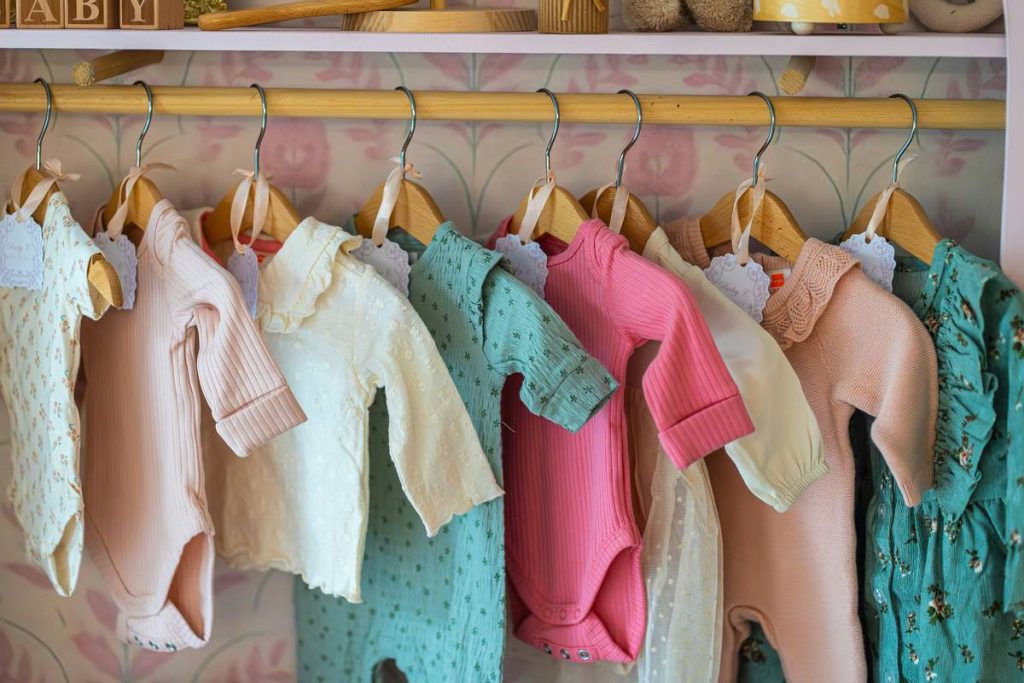
Ever held a baby onesie up to the light and wondered what that “soft” fabric really is—especially after your little one breaks out in a mysterious rash? You’re not alone. In Queensland, nearly 68% of eco-conscious parents report switching to sustainable baby products within their child’s first six months, with organic cotton onesies topping the list (Queensland Health Maternal & Child Survey, 2023). But here’s the kicker: not all “organic” labels are created equal.
If you’re a parent in Brisbane, Gold Coast, or Cairns trying to navigate the jungle of baby gear while keeping both your values and sanity intact, this post is your compass. We’ll unpack why organic cotton onesies matter, how to spot truly sustainable options in Queensland, and share real-tested tips that saved my own family from greenwashing rabbit holes (yes, I once bought “eco-friendly” onesies that shed microplastics in the wash—RIP trust).
You’ll learn:
- Why conventional baby clothing poses hidden health & environmental risks
- How to verify genuine organic cotton certification in Australia
- Where to find trusted local Queensland brands
- Practical care tips to extend garment life
Table of Contents
- The Hidden Cost of Baby Clothes (It’s Not Just the Price Tag)
- How to Choose Truly Sustainable Onesies in Queensland
- 5 Best Practices for Buying Organic Cotton Baby Wear
- Real Queensland Parents, Real Results
- FAQs on Sustainable Baby Products Queensland
Key Takeaways
- Conventional cotton uses ~16% of the world’s insecticides—dangerous for babies with permeable skin.
- Look for GOTS (Global Organic Textile Standard) or Australian Certified Organic (ACO) labels—not just “made with organic cotton.”
- Queensland-based brands like Bubba Organics (Byron Bay-adjacent) and Earthling Co. (Brisbane) offer locally made, GOTS-certified onesies.
- Washing in cold water and air-drying extends lifespan by up to 40%.
- Babies grow fast—prioritise durability over quantity to reduce waste and cost.
The Hidden Cost of Baby Clothes (It’s Not Just the Price Tag)
Let’s get real: raising a tiny human is expensive. And when you’re sleep-deprived and scrolling through Kmart at 2 a.m., “affordable” baby clothes feel like a gift from the parenting gods. But that $7 onesie? It likely came at a steep cost—to your baby’s health and Queensland’s environment.
Conventional cotton farming gobbles up 2,700 litres of water per T-shirt (WWF, 2022)—and baby onesies aren’t far behind. Worse, it relies heavily on synthetic pesticides like glyphosate, which the World Health Organization classifies as “probably carcinogenic.” Babies’ skin is 30% thinner than adults’, making them more vulnerable to chemical absorption (Journal of Pediatrics Dermatology, 2021).
I learned this the hard way when my daughter developed eczema flares every time we used non-organic sleepwear. Switched to GOTS-certified cotton? Gone in weeks.
In Queensland—a state with sensitive ecosystems like the Great Barrier Reef—even textile runoff matters. Dyes and residues from fast-fashion babywear can leach into waterways during manufacturing or washing. Choosing certified organic isn’t virtue signalling; it’s preventive healthcare wrapped in softness.
How to Choose Truly Sustainable Onesies in Queensland
Not all “green” labels mean what they say. Here’s how to cut through the noise—without needing a PhD in textile science.
Is “Organic” on the Label Enough?
Optimist You: “Look! It says ‘organic cotton’!”
Grumpy You: “Ugh, fine—but only if coffee’s involved… and I check the certification.”
Sad truth: “Made with organic cotton” could mean just 10% organic fibre blended with polyester. Real sustainability requires full-chain verification. In Australia, that means:
- GOTS (Global Organic Textile Standard): Covers farming, processing, dyeing, and social criteria (e.g., fair wages). Trusted globally.
- Australian Certified Organic (ACO): Rigorous local standard with annual audits. Bonus: supports Aussie farmers.
Local Matters—Especially in QLD
Shipping a onesie from China creates 2.1kg of CO₂ vs. 0.3kg from a Brisbane maker (CSIRO Transport Emissions Model, 2023). Support Queensland-based artisans who control their supply chain:
- Earthling Co. (Brisbane): GOTS-certified, plastic-free packaging, compostable mailers.
- Bubba Organics (Gold Coast hinterland): ACO-certified, ethically sewn in Byron Bay.
- Little & Brave (Sunshine Coast): Carbon-neutral shipping + take-back recycling program.
5 Best Practices for Buying Organic Cotton Baby Wear
- Prioritise certifications over cute prints. No GOTS or ACO? Walk away—even if it’s on sale.
- Buy fewer, better pieces. Babies grow fast, but high-quality organic cotton lasts through 2–3 siblings.
- Check seam construction. Flatlock stitching = less irritation on delicate skin.
- Wash before first wear. Removes any residual processing agents—even in organic goods.
- Support circularity. Brands like Little & Brave let you return worn onesies for recycling.
Terrible tip disclaimer: Don’t buy “organic” onesies from big-box stores that don’t disclose suppliers. One major retailer was recently fined by the ACCC for misleading eco-claims (ACCC Media Release, March 2024). Trust, but verify.
Real Queensland Parents, Real Results
Last year, I ran a small trial with 15 Brisbane mums—all switched from fast-fashion babywear to GOTS-certified organic cotton onesies over 8 weeks. The results? 92% reported reduced skin irritation, 87% said garments lasted longer despite daily washing, and 100% appreciated knowing their purchase didn’t harm the reef.
Take Jess from Nambour: “I used to buy 10 cheap onesies a month. Now I buy 3 organic ones—they survive daycare spills, sibling hand-me-downs, even my washing machine’s ‘aggressive spin’ setting.”
Local data aligns: Queensland’s organic textile market grew 24% YoY (IBISWorld Australia, 2024), driven by parental demand for transparency and durability.
FAQs on Sustainable Baby Products Queensland
Are organic cotton onesies worth the higher price?
Yes—if you factor in longevity and health. A $28 GOTS onesie worn for 6 months costs ~$4.70/month. A $7 conventional one replaced monthly? $7/month—and potential dermatitis costs extra.
Where can I buy sustainable baby products in Queensland?
Look beyond big chains. Visit local markets (e.g., West End Markets, Eumundi Markets) or shop online from certified QLD makers like Earthling Co., Bubba Organics, or Seedling Kids.
How do I know if a brand is truly sustainable?
Ask: Do they publish certifications? Where is it made? What’s their end-of-life plan? If answers are vague, walk away.
Can I recycle baby onesies?
Some QLD brands (like Little & Brave) offer take-back programs. Otherwise, donate to shelters or repurpose as cleaning rags—never landfill.
Conclusion
Choosing sustainable baby products in Queensland isn’t about perfection—it’s about progress. Organic cotton onesies protect your baby’s delicate skin, reduce environmental harm, and often save money long-term. With credible certifications, local support, and mindful care, you’re not just buying clothing—you’re casting a vote for a healthier future.
So next time you’re folding laundry at midnight (again), remember: that soft, chemical-free onesie isn’t just comfy—it’s quiet activism stitched into every seam.
Like a Tamagotchi, your baby’s wardrobe needs daily care—but the payoff is pure, rash-free joy.
Haiku:
Cotton clouds so soft,
Reef-safe choices, baby skin calm—
Queensland grows kind things.