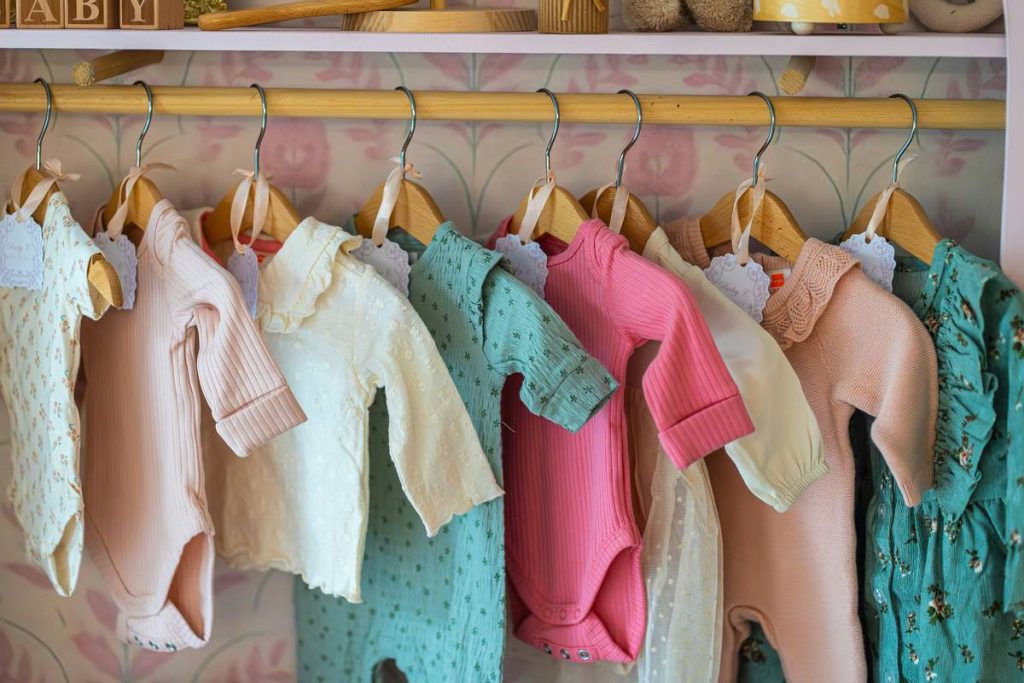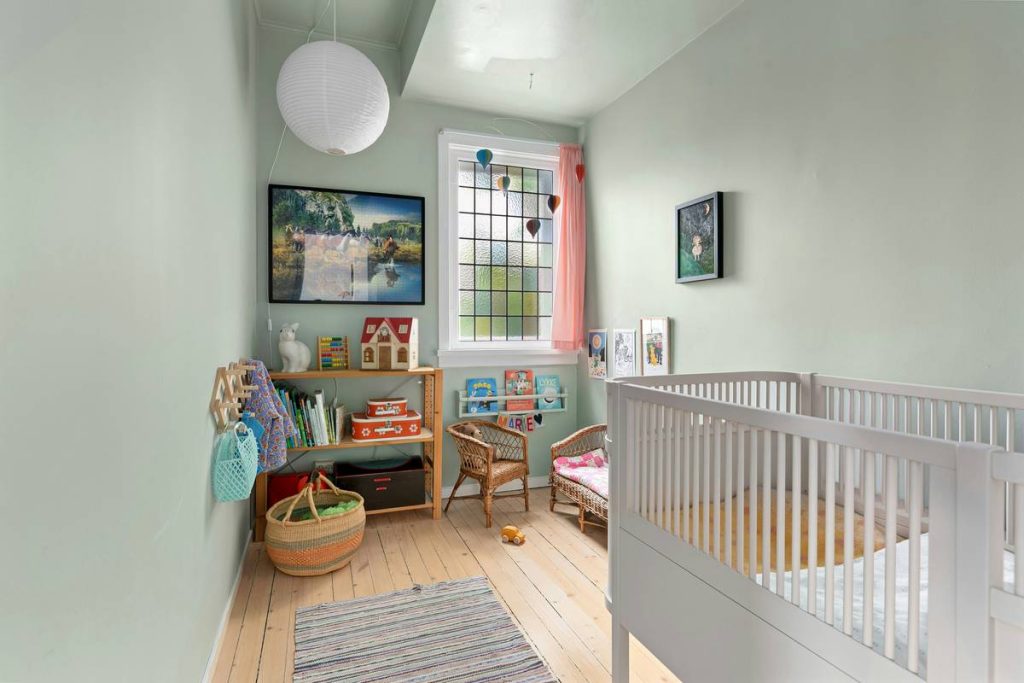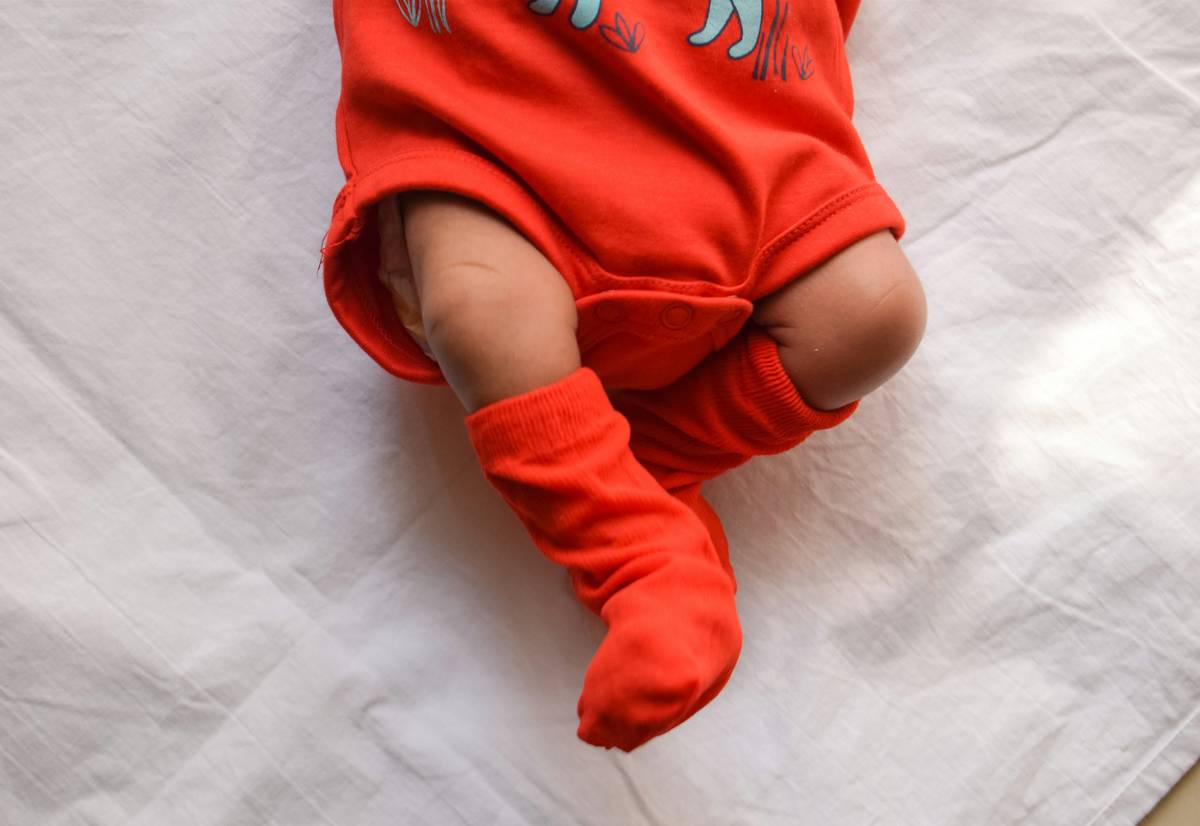
You’re doing everything “right”—cloth diapers, bamboo wipes, toxin-free lotions. But your baby’s skin is still irritated. Sleepless nights continue. You feel like you’re failing at this whole “eco-parenting” thing—despite spending hundreds on “natural” gear. Here’s the truth: if your newborn’s onesie isn’t truly organic cotton, the rest barely matters. And your green baby dresser won’t be green at all.
The Illusion of “Natural” Baby Clothing
Most brands slap “eco-friendly” on polyester-blend sleepers dyed with heavy metals. They count on your trust—and your exhaustion. Conventional cotton uses 16% of the world’s insecticides despite covering just 2.4% of farmland. Your baby wears up to 10 outfits a day in their first year. Do the math.
And washing those chemically treated onesies? Residues linger—even after 30 washes. Dermatologists see rising cases of contact dermatitis in infants under six months. Coincidence? Unlikely.
Building a Truly Green Baby Dresser: Step by Step
Step 1: Audit What’s Already in the Drawer
Flip every tag. If it says “cotton” without “GOTS-certified organic,” it’s suspect. GOTS (Global Organic Textile Standard) bans toxic dyes, formaldehyde finishes, and child labor. No loopholes.
Step 2: Prioritize Function Over Aesthetics
Organic cotton should feel slightly stiff—not silky soft. That “buttery” texture? Often silicone or chemical softeners. Real organic cotton softens naturally over washes. Choose envelope necks and snap closures for quick changes.
Step 3: Calculate Cost Per Wear—Not Just Price Tag
A $28 organic onesie worn 50 times costs $0.56 per use. A $12 conventional one lasting 15 wears? $0.80. Plus hidden costs: rashes, laundry rewashes, replacement buys.
| Factor | Conventional Cotton Onesie | GOTS-Certified Organic Cotton Onesie |
|---|---|---|
| Avg. Retail Price | $8–$15 | $22–$32 |
| Lifespan (Washes) | 10–20 | 40–60+ |
| Skin Irritation Risk | High (residual pesticides) | Negligible |
| Water Footprint (per garment) | 2,700 liters | 900 liters |


The Industry Secret: “Organic” Isn’t Always Enough
Here’s what brands won’t tell you: some “organic cotton” is grown organically but processed in facilities that also handle conventional cotton—cross-contaminating batches with chemical residues. True integrity requires full-chain certification. Look for brands that publish mill audit reports. Even better? Choose ones using regenerative agriculture practices—where cotton farming actually rebuilds soil health. Patagonia Baby does it. So does small-batch maker Little & Brave. The big retailers? Rarely.
But—and this is critical—don’t chase “zero waste” claims alone. A brand can offset emissions while still using non-organic fibers. Fiber origin matters more than carbon-neutral shipping labels.
Frequently Asked Questions
What makes a baby onesie truly organic?
It must carry GOTS or USDA Organic certification—covering fiber growth, processing, dyeing, and ethical labor. “Made with organic cotton” isn’t enough.
Can I build a green baby dresser on a budget?
Yes. Buy secondhand GOTS onesies from trusted resellers, swap with local parents, or choose multipack sets from certified brands during off-season sales.
How many organic onesies does a newborn need?
Start with 8–10. Newborns soil 3–5 outfits daily. Having enough reduces laundry frequency—saving water and preserving fabric integrity.