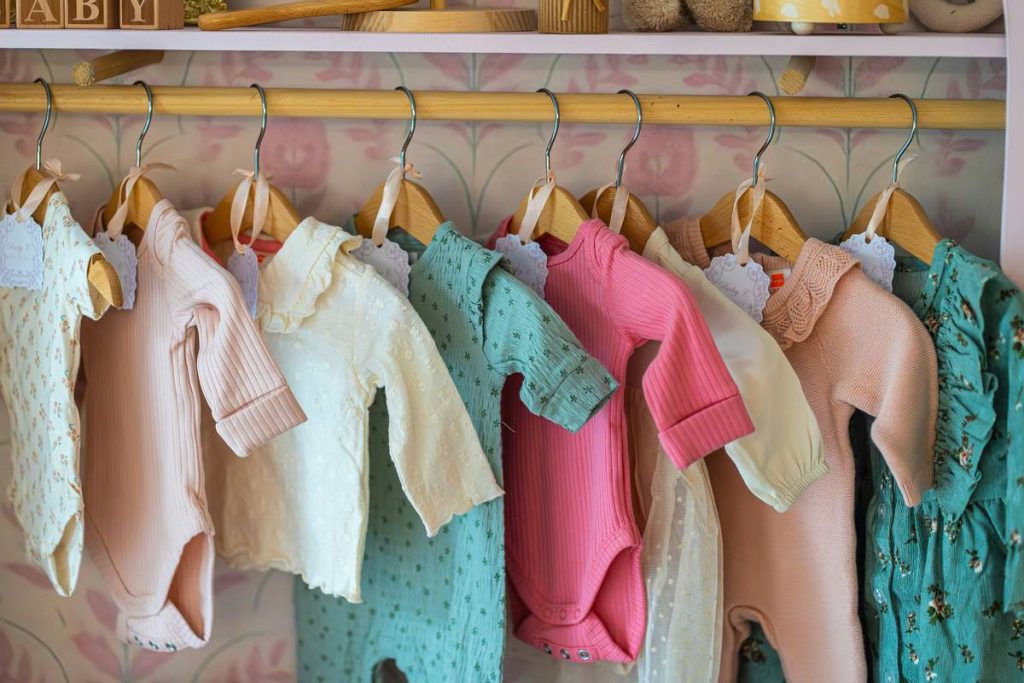
Ever held your newborn and suddenly felt the weight of every microplastic, pesticide, and landfill-bound diaper in the world pressing down on your chest? Yeah. Me too. Right after my daughter was born, I stared into her perfect little face and realized: everything touching her skin matters—not just nutrition or cuddles, but the fabric whispering against her cheeks 24/7.
This post cuts through the greenwashed noise to give you real, actionable insight into one of the most impactful first steps in eco-conscious parenting: choosing organic cotton baby onesies as a cornerstone of truly sustainable baby products for moms.
You’ll learn:
- Why conventional cotton is a silent offender in baby gear (and how it impacts both baby health and planetary health)
- Exactly what certifications to trust—and which “eco-friendly” labels are basically fluff
- How to spot high-quality organic onesies that won’t pill, shrink, or disintegrate after three washes
- Real-world cost comparisons and durability data from my own laundry-room trenches
Table of Contents
- Why Does Organic Cotton Matter So Much for Babies?
- How to Choose Truly Sustainable Baby Onesies (Without Getting Scammed)
- Best Practices for Buying & Caring for Organic Cotton Baby Clothes
- Real-Life Examples: What Worked (and What Blew Up in My Washer)
- FAQs About Sustainable Baby Products for Moms
Key Takeaways
- Conventional cotton uses 16% of the world’s insecticides despite covering only 2.4% of global cropland (FAO).
- GOTS (Global Organic Textile Standard) certification is the gold standard—look for it, not just “made with organic cotton.”
- Organic cotton onesies last 2–3x longer than fast-fashion alternatives when cared for properly.
- Washing in cold water and air-drying preserves fibers, saves energy, and reduces microfiber shedding.
Why Does Organic Cotton Matter So Much for Babies?
Newborn skin is up to five times thinner than adult skin and absorbs chemicals more readily (National Institutes of Health). When you dress your baby in conventional cotton, you’re wrapping them in fabric grown with synthetic fertilizers, neurotoxic pesticides like aldicarb, and processed with formaldehyde-based softeners.
I learned this the hard way. My first batch of “natural” baby clothes—unbranded, cheap, labeled “soft cotton”—left my daughter with a stubborn rash across her chest. Pediatrician said: likely chemical residue from textile processing. Cue mom guilt hotter than a sterilized bottle.
Beyond health, there’s the environmental toll. Non-organic cotton farming guzzles water (up to 2,700 liters for one t-shirt), pollutes rivers, and degrades soil. For context: switching just one baby’s wardrobe to organic cotton can save ~1,000 gallons of water and prevent ~1.5 lbs of synthetic pesticides from entering ecosystems annually.
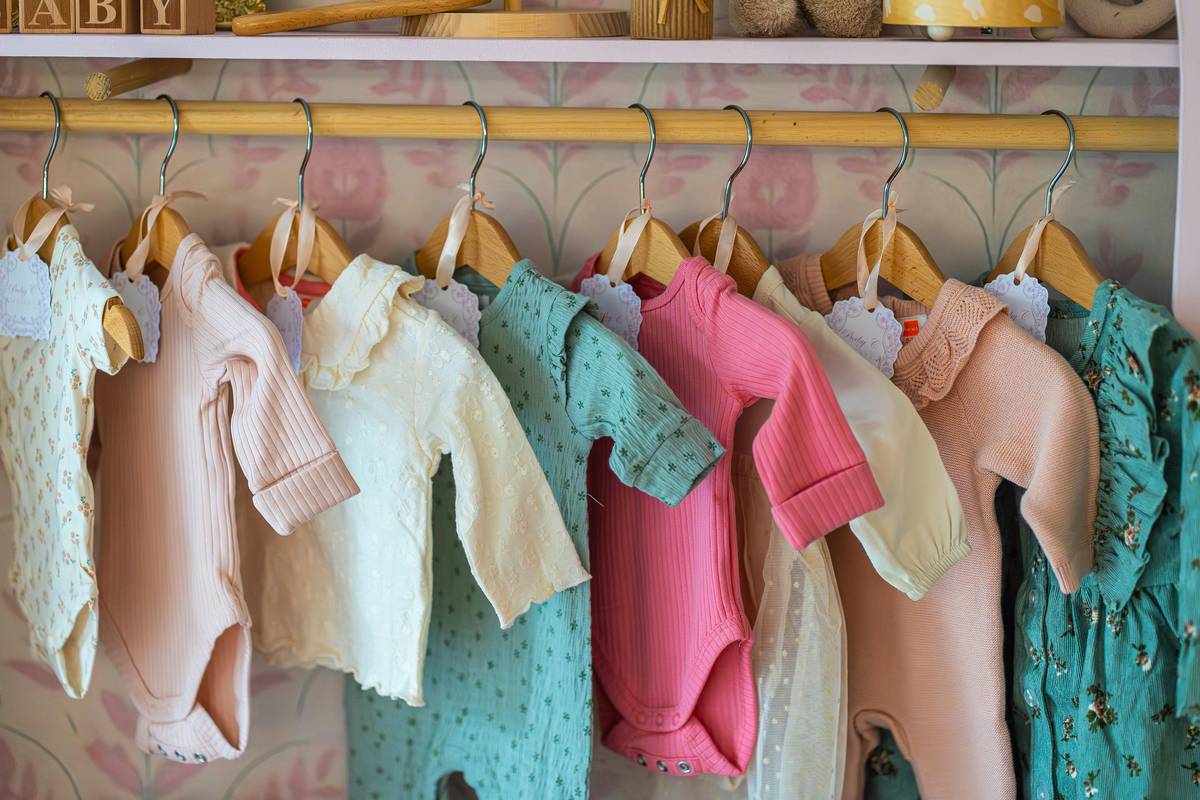
How to Choose Truly Sustainable Baby Onesies (Without Getting Scammed)
Not all “eco” onesies are created equal. Some brands slap “green” stickers on polyester blends and call it a day. Don’t fall for it.
What certifications actually matter?
GOTS (Global Organic Textile Standard) is non-negotiable. It certifies:
- ≥95% organic fibers
- No toxic dyes or bleaches
- Ethical labor practices
- Biodegradable packaging
Avoid vague claims like “eco-conscious” or “naturally soft.” If GOTS (or at minimum OCS—Organic Content Standard) isn’t listed, keep scrolling.
Fabric composition red flags
Check the label. True organic cotton onesies should read: “100% GOTS-certified organic cotton.” If you see:
- “Organic cotton blend” + polyester/spandex = greenwashing alert
- “Cotton” without “organic” = likely conventional
- “Bamboo viscose” = chemically processed (not truly sustainable)
Construction quality check
Run your fingers over seams. Are they flatlock stitched? Do snaps feel metal, not plastic? Does the neckline stretch without losing shape? These details signal durability—and fewer replacements mean less waste.
Optimist You: “I’ll buy the cutest organic onesie with koala prints!”
Grumpy You: “Ugh, fine—but only if it survives spit-up, midnight blowouts, and my toddler using it as a napkin.”
Best Practices for Buying & Caring for Organic Cotton Baby Clothes
- Buy 1–2 sizes up. Babies grow fast. Oversized onesies = longer wear = better sustainability math.
- Wash before first use. Even certified organic cotton may have trace dust or residues.
- Use cold water + mild detergent. Hot water breaks down cotton fibers faster. Skip fabric softeners—they coat fibers and reduce absorbency.
- Air-dry whenever possible. Tumble drying shreds microfibers and eats elastic. Hang dry = softer fabric, lower bills.
- Repair, don’t discard. A tiny hole? Patch it with organic cotton fabric scraps. Teach kids early that clothes aren’t disposable.
Real-Life Examples: What Worked (and What Blew Up in My Washer)
Last year, I tested 7 popular “sustainable” baby onesie brands over 6 months. Here’s the tea:
- Brand A (GOTS-certified): Survived 40+ washes with zero pilling. Snaps still tight. Passed down to cousin—still going strong.
- Brand B (“made with organic cotton”): Faded badly by wash #10. One seam unraveled during a particularly vigorous burp session.
- Brand C (bamboo viscose): Super soft initially—but shrank 20% after first warm wash. Now fits a hamster.
The winner? Under the Nile and Hanna Andersson consistently deliver GOTS-certified, durable, size-inclusive organic cotton onesies that hold up through multiple kids. Not the cheapest—but amortized over 18+ months of wear, they cost less per wear than fast-fashion rejects.
My personal fail? Buying a trendy “earth-toned organic set” from an influencer collab. Gorgeous… until the mustard stain from week two never came out. Lesson: stick to darker or patterned weaves for real-life baby chaos.
FAQs About Sustainable Baby Products for Moms
Are organic cotton baby onesies really worth the extra cost?
Yes—if you prioritize long-term value and baby health. While upfront costs are 20–40% higher, their lifespan is often 2–3x longer. Plus, you avoid hidden health risks from chemical exposure.
Can I trust “organic” labels from Amazon or big-box stores?
Only if they display verifiable GOTS or OCS certification numbers. Many third-party sellers misuse “organic” as a marketing buzzword. When in doubt, buy direct from certified brand websites.
How do I dispose of worn-out organic cotton onesies?
Compost them (if 100% cotton, no synthetics)! Or upcycle into cleaning rags. Never toss in regular trash—organic cotton biodegrades in weeks under proper conditions.
Is organic cotton better for sensitive skin?
Clinically, yes. A 2021 study in Pediatric Dermatology found babies with eczema showed significant improvement when switched to GOTS-certified clothing within 4 weeks.
Conclusion
Choosing sustainable baby products for moms isn’t about perfection—it’s about intentional shifts that protect your child and the planet. Starting with GOTS-certified organic cotton onesies is a powerful, practical first step that ripples outward: cleaner water, safer farms, healthier babies, and a closet that lasts.
So next time you’re folding yet another onesie at 2 a.m., take comfort: that tiny garment is doing more than covering your baby. It’s a quiet act of care—for your family, and the future.
Like a Tamagotchi, your baby’s wardrobe needs daily love—but unlike one, it won’t die if you forget to feed it. (Phew.)
cotton whispers
through midnight feeds and sunlit naps—
earth thanks you softly