Most baby showers end up as landfill fuel—plastic-wrapped gifts, synthetic outfits tossed after two wears, disposable decorations. It’s a celebration that contradicts its own purpose: welcoming new life while harming the planet they’ll inherit. The good news? You don’t need to overhaul everything. Just shift one critical lever—and organic cotton baby onesies are it.
Why Traditional Baby Showers Undermine Sustainability
Conventional baby clothing is often made from pesticide-laden cotton or petroleum-based polyester. A single conventional onesie can require 2,700 liters of water to produce. And let’s be honest—nobody talks about this at baby showers. They coo over cute prints while ignoring the toxic dye runoff or microplastic shedding in every wash.
Worse, these events normalize consumption over consciousness. Stacks of brand-new outfits go unused because babies outgrow them in weeks—not months. The “more is better” mindset clashes with sustainable living. Hard.
Sustainable Baby Shower Ideas Step-by-Step
Forget generic advice like “use cloth napkins.” Real impact starts with gifting items that align with long-term family values—like organic cotton baby onesies. Here’s how to build a truly eco-conscious shower:
Curate a Capsule Wardrobe Registry
Instead of accepting random clothing, guide guests toward high-quality, GOTS-certified organic cotton pieces. Focus on neutral tones and adjustable snaps—these last through multiple size stages and siblings.
Host a “Zero-Waste” RSVP System
Ditch paper invites. Use digital platforms that track RSVPs and gift preferences. Bonus: link directly to your curated registry of sustainable baby clothing brands.
Swap Plastic Decor for Living Elements
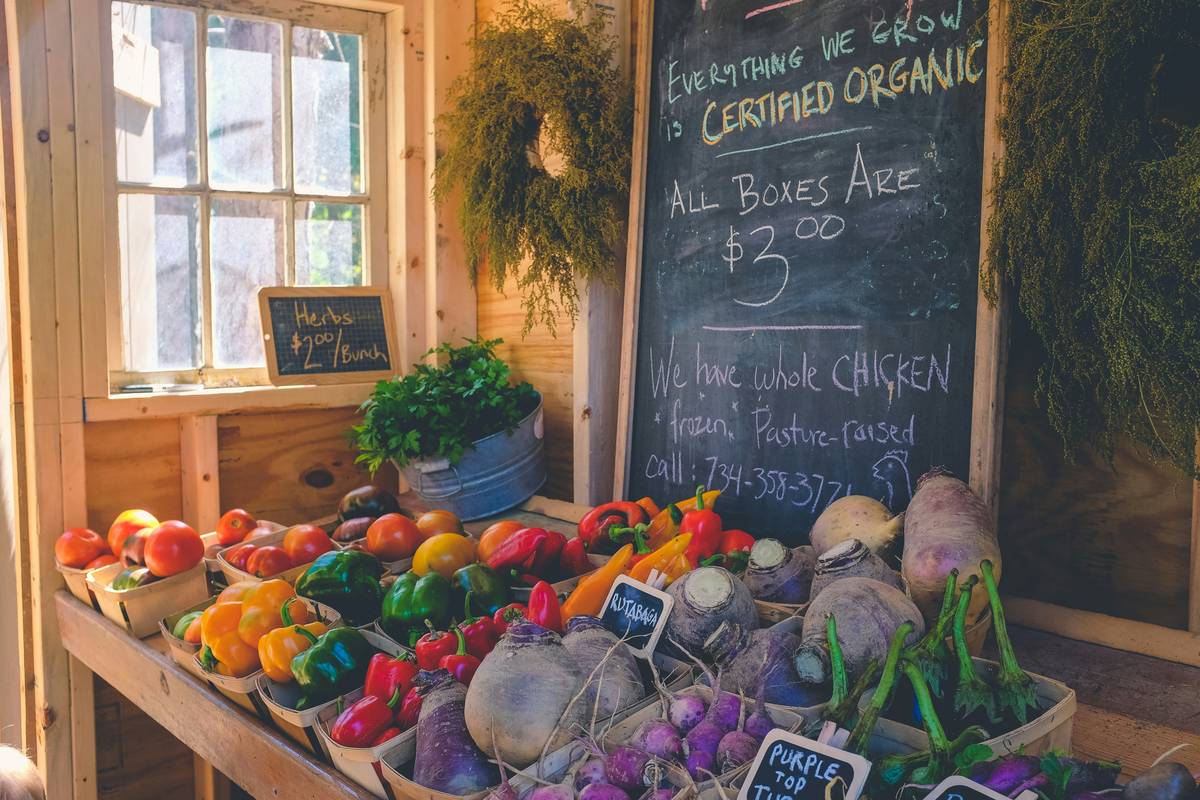
Potted herbs double as centerpieces and take-home favors. No balloons. No glitter. Just soil, greenery, and intention.
| Approach | Upfront Cost | Environmental Impact | Longevity |
|---|---|---|---|
| Traditional Baby Shower (Polyester Gifts) | $150–$300 | High water use, chemical dyes, microplastic pollution | 2–6 weeks (due to rapid growth + wear) |
| Sustainable Baby Shower (Organic Cotton Onesies) | $200–$350 | 91% less water, no synthetic pesticides, biodegradable | 6–12+ months (with proper care & sizing) |
The Industry Secret Most Brands Won’t Tell You
Here’s the reality: not all “organic” labels are equal. Some manufacturers blend just 10% organic cotton and slap on a green tag—legal, but misleading. The real differentiator? GOTS certification (Global Organic Textile Standard). It audits the entire chain: farming, dyeing, labor, wastewater. Fewer than 12% of U.S. baby clothing brands meet full GOTS criteria.
But here’s the insider move: host a “onesie swap” station at your shower. Ask guests to bring gently used organic cotton onesies (even from older siblings). Clean, sterilize, and re-gift them onsite. Not only does this cut waste—it normalizes reuse in a culture obsessed with “new.” One mama I advised did this in Portland; her registry shrank by 40%, yet her baby had more wearable outfits at six months than friends who received traditional gifts.
Frequently Asked Questions
Are sustainable baby shower ideas more expensive?
Not necessarily. While organic cotton onesies cost slightly more upfront, their durability and reusability lower long-term spending—especially with hand-me-downs or sibling reuse.
Can I still have fun with eco-friendly decorations?
Absolutely. Use fabric bunting, dried flower garlands, or rented linens. Fun doesn’t require plastic—it requires creativity.
What if guests ignore my sustainable registry?
Include a gentle note: “We’re building a low-waste nursery—your support in choosing items from our organic cotton list means the world.” Most will respect the ask.