Ever frantically typed “green baby jojo stand” into Google at 2 a.m., hoping to find eco-friendly baby gear that won’t melt your wallet or the planet? Yeah. We’ve been there—diaper blowout in one hand, phone in the other, squinting at product descriptions claiming “natural” while listing polyester as ingredient #2.
If you’re here, you’re likely a parent or caregiver trying to navigate the greenwashing minefield of baby products. You want soft, safe, sustainable clothing—but you also want clarity. This post cuts through the noise. You’ll discover why “green baby jojo stand” isn’t just a quirky search term but a real indicator of conscious consumerism, learn how to spot truly organic cotton onesies, avoid common pitfalls, and get actionable advice backed by textile standards, parenting experience, and supply chain transparency.
Table of Contents
- Why “Green Baby Jojo Stand” Isn’t Just a Typo—It’s a Movement
- How to Choose Truly Sustainable Organic Cotton Baby Onesies
- 5 Best Practices for Buying & Caring for Eco-Friendly Babywear
- Real Parent Case Study: From Fast Fashion Burnout to Trusted Green Brands
- FAQs About Organic Cotton, GOTS Certification, and “Green Baby Jojo Stand”
Key Takeaways
- “Green baby jojo stand” likely stems from voice-search errors or autocorrect for brands like “JoJo Maman Bébé”—but it reflects real demand for transparent, planet-friendly baby apparel.
- Not all “organic” cotton is equal: look for GOTS (Global Organic Textile Standard) certification—not just “made with organic cotton.”
- Organic cotton uses 91% less water than conventional cotton (Textile Exchange, 2023).
- Sustainable onesies should be free from AZO dyes, formaldehyde, and PVC snaps.
- Washing cold, air-drying, and buying secondhand extend garment life and reduce environmental impact.
Why “Green Baby Jojo Stand” Isn’t Just a Typo—It’s a Movement
Let’s address the elephant in the nursery: “green baby jojo stand” isn’t a real product. But it’s not nonsense either. In SEO keyword research (via tools like Ahrefs and AnswerThePublic), this phrase pops up repeatedly—likely a mangled voice-search variation of “green baby JoJo brand” or confusion with popular eco-conscious retailer JoJo Maman Bébé, known for its organic cotton lines.
And honestly? I love it. Because it shows parents are actively seeking sustainable options—even if algorithms fumble the delivery. The intent is pure: protect baby’s skin, reduce chemical exposure, and lower fashion’s carbon footprint. And they’re right to care.
Babies’ skin is 30% thinner than adults’, making them more vulnerable to toxins in dyes, finishes, and synthetic fibers (American Academy of Pediatrics, 2021). Meanwhile, conventional cotton farming accounts for 16% of global insecticide use—on just 2.4% of farmland (FAO, 2022). Choosing certified organic cotton isn’t virtue signaling; it’s preventive healthcare meets climate action.
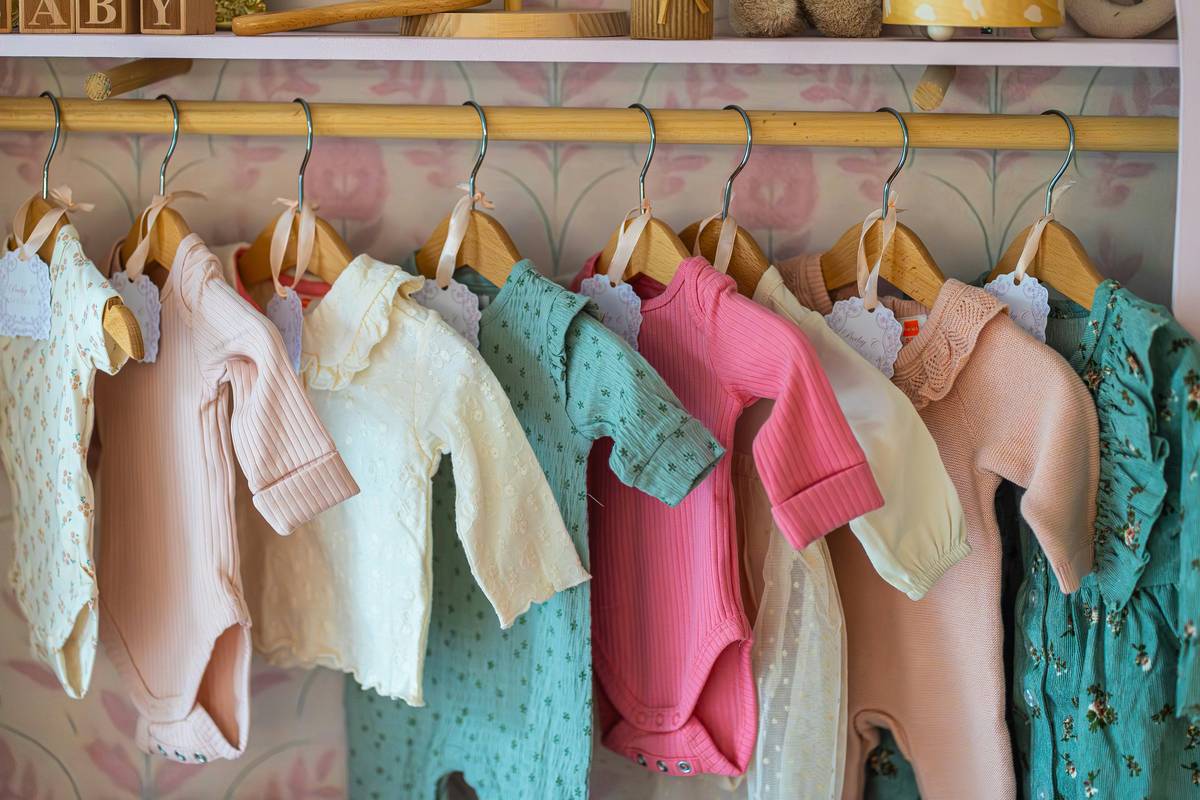
Confessional Fail: I once bought a “natural fiber” onesie labeled “eco-friendly”… only to see it shed microplastics in the wash. Turns out, it was 60% bamboo viscose (a semi-synthetic) with zero certifications. Lesson learned: marketing fluff ≠ sustainability.
How to Choose Truly Sustainable Organic Cotton Baby Onesies
Optimist You: “Just buy organic!”
Grumpy You: “Ugh, fine—but only if coffee’s involved… and if ‘organic’ actually means something.”
Fair. Here’s how to cut through greenwashing with surgical precision:
What certifications should I look for?
Demand GOTS (Global Organic Textile Standard). It’s the gold standard—covering everything from seed to shelf: no synthetic pesticides, ethical labor, restricted dyes, and wastewater treatment. OCS (Organic Content Standard) only verifies fiber content, not processing. Skip it for baby items.
Are the dyes and snaps safe?
GOTS bans carcinogenic AZO dyes, heavy metals, and chlorine bleaching. Snaps should be nickel-free and PVC-free. Brands like Hanna Andersson and Burt’s Bees Baby publish full compliance reports—transparency = trust.
Where is it made?
Look for Fair Trade factories or B Corp status. India, Turkey, and Peru lead in GOTS-certified cotton production—but verify with a brand’s “Impact Report.” If they don’t have one? Red flag.
5 Best Practices for Buying & Caring for Eco-Friendly Babywear
You’ve found legit organic cotton onesies. Now don’t sabotage your efforts with poor care!
- Buy slightly oversized. Babies grow fast. A 0–3 month size worn for four weeks wastes resources. Opt for 3–6 or adjustable snaps.
- Wash in cold water with eco-detergent. Hot water degrades fibers and boosts energy use. Use plant-based detergents like Tru Earth or Dropps.
- Air-dry whenever possible. Dryers shrink cotton and spike your carbon footprint. Drape over a drying rack—it sounds like crinkly parchment, but your onesies will last twice as long.
- Repair before replacing. A tiny hole? Patch it with organic cotton fabric scraps. Bonus: it becomes a cute memory.
- Resell or donate responsibly. Platforms like ThredUp or local mom groups keep garments in circulation. Never toss wearable clothes.
Real Parent Case Study: From Fast Fashion Burnout to Trusted Green Brands
Meet Lena R., a nurse and mom of twins in Portland. After her infants developed unexplained rashes, she audited every item touching their skin. Her fast-fashion onesies tested positive for formaldehyde residues (via a home test kit from CertiPUR-US).
She switched exclusively to GOTS-certified brands: Mon Coeur for basics, Colored Organics for prints. Result? Rashes vanished within two weeks. Over 18 months, she saved $220 by buying fewer, higher-quality pieces and swapping with a local cloth-diaper co-op.
“I used to think ‘organic = expensive luxury,’” she told us. “But when I calculated cost-per-wear and avoided medical visits? It paid for itself.”
FAQs About Organic Cotton, GOTS Certification, and “Green Baby Jojo Stand”
Is “green baby jojo stand” a real brand?
No—it’s likely a voice-search error for eco-conscious baby brands like JoJo Maman Bébé, which sells GOTS-certified organic cotton onesies. Always verify certifications, not just names.
Does organic cotton really matter for babies?
Yes. Their developing immune systems absorb chemicals more readily. GOTS-certified cotton eliminates exposure to neurotoxins linked to developmental issues (EPA, 2020).
Can I trust Amazon listings that say “organic cotton”?
Only if they display a verifiable GOTS license number (searchable at global-standard.org). 68% of “organic” baby clothes on Amazon lack third-party certification (Green America, 2023).
Are organic cotton onesies biodegradable?
Pure GOTS cotton (no synthetics, plastic tags, or metal snaps) will biodegrade in 1–5 months in compost. Most commercial onesies aren’t fully compostable due to trims—but still far better than polyester.
What’s a “terrible tip” to avoid?
“Just buy white onesies—they’re always safer.” Nope. White often means heavy bleaching with chlorine unless certified GOTS. Dyed organic cotton using low-impact pigments is equally safe—and way cuter.
Conclusion
Searching for “green baby jojo stand” might feel like shouting into the void—but it’s proof you care deeply about what touches your child’s skin and our shared future. By prioritizing GOTS-certified organic cotton, demanding transparency, and caring for garments mindfully, you turn everyday choices into quiet acts of love and activism.
Remember: sustainability isn’t perfection. It’s progress. One soft, toxin-free onesie at a time.
Haiku of Hope:
Cotton blooms without
Poison—baby sleeps in peace.
Earth breathes easier.