Ever held a newborn’s onesie up to the light and wondered what invisible chemicals might be touching their delicate skin? You’re not alone. In a world where the average baby goes through 6–10 outfit changes a day, fast-fashion baby clothes are piling up in landfills—and showing up in toxic runoff. But here’s the kicker: conventional cotton farming uses 16% of the world’s insecticides despite covering just 2.4% of global cropland (FAO, 2022). Yikes.
If you’ve typed “sustainable baby co” into Google more than once, this post is your compass. We’ll unpack why organic cotton onesies aren’t just a cute trend—they’re a non-negotiable for eco-conscious families. You’ll learn how to spot truly sustainable brands (not greenwashed imposters), what certifications actually mean, and real-life tips from parents who’ve made the switch without blowing their budget.
Table of Contents
- Key Takeaways
- The Skin-Deep Truth About Baby Clothing
- How to Choose Truly Sustainable Organic Cotton Onesies
- 5 Best Practices for Building a Sustainable Baby Wardrobe
- Real Parents, Real Results: Case Studies
- FAQs About Sustainable Baby Co & Organic Cotton
Key Takeaways
- Organic cotton reduces water use by 91% and eliminates synthetic pesticides compared to conventional cotton (Textile Exchange, 2023).
- Look for GOTS (Global Organic Textile Standard) certification—not just “organic” claims—to ensure ethical and ecological integrity.
- Sustainable baby co choices aren’t just about fabric—they include dye safety, fair labor, and circular design (think resale or compostability).
- You don’t need to replace everything at once. Start with high-contact items like onesies worn directly on baby’s skin.
What’s Really in Your Baby’s Onesie—And Why It Matters
Let’s get real: babies explore the world mouth-first. That soft yellow onesie isn’t just fabric—it’s a chew toy, a nap blanket, and a skin barrier rolled into one. When it’s made from conventionally grown cotton, it’s likely been doused in glyphosate, treated with formaldehyde-based resins for “wrinkle resistance,” and dyed with heavy metals like cadmium or lead (EWG, 2021). Their immature immune systems absorb toxins 3x faster than adults (EPA). Scary? Absolutely.
I learned this the hard way. My daughter broke out in angry red patches every time we used a certain store-brand onesie. Our pediatrician suspected textile dermatitis. Switching to GOTS-certified organic cotton cleared it up in days. Felt like I’d been sleepwalking through baby aisles before that.
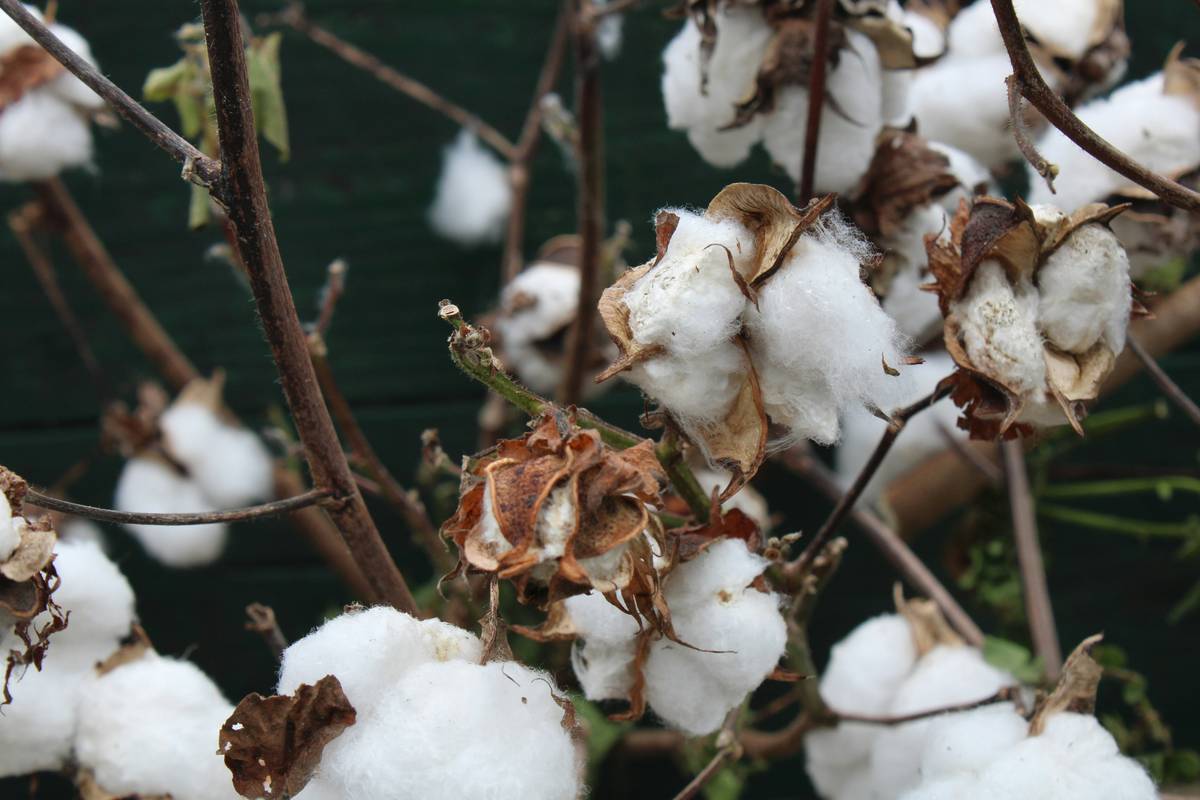
The stakes aren’t just personal—they’re planetary. The fashion industry contributes 10% of global carbon emissions, and babywear is no exception. But here’s the hopeful twist: choosing a single organic cotton onesie saves ~2,500 liters of water versus its conventional counterpart (Water Footprint Network).
How Do You Know If a “Sustainable Baby Co” Is Legit?
Step 1: Follow the Certification Trail
“Organic” on a label means nothing without proof. Demand GOTS certification—the gold standard that covers everything from seed to shelf: soil health, non-toxic dyes, wastewater treatment, and fair wages. OCS (Organic Content Standard) only verifies fiber origin, not processing safety. Skip it.
Step 2: Audit the Dyes
Even organic cotton can be ruined by AZO dyes (banned in the EU but legal elsewhere). Look for OEKO-TEX® STANDARD 100 Class I certification—it guarantees dyes are safe for babies under 3.
Step 3: Check the Cut
Sustainable design = practical design. Snap closures should be nickel-free. Seams must lie flat to prevent chafing. And grow-with-me features (like foldable cuffs) extend wearable life—reducing waste and cost.
Step 4: Trace the Supply Chain
Trustworthy brands like Patagonia Baby or Burt’s Bees Baby publish factory locations and third-party audit reports. If they hide behind “proprietary sourcing,” walk away.
Grumpy Optimist Dialogue
Optimist You: “Follow these four steps and you’ll sleep better knowing your baby’s wrapped in clean cotton.”
Grumpy You: “Ugh, fine—but only if someone’s handing me a matcha latte while I scroll through GOTS databases.”
5 Best Practices for Building a Truly Sustainable Baby Wardrobe
- Start small, think skin-contact: Prioritize onesies, sleep sacks, and swaddles—items touching baby 24/7.
- Embrace pre-loved: 80% of a garment’s carbon footprint comes from production (WRAP, 2022). Buying secondhand cuts emissions instantly. Try ThredUp or local mom swaps.
- Wash cold, line dry: Extends garment life and saves energy. Use fragrance-free, plant-based detergent (All Free & Clear passes EWG verification).
- Size up strategically: Choose brands with generous sizing or adjustable features. My son wore his Burt’s Bees 6–12M onesie from 4 months to 14 months thanks to roll-up cuffs.
- Plan for end-of-life: Can it be composted? Resold? Donated? Brands like Pact offer take-back programs.
Terrible Tip Disclaimer: “Just buy anything labeled ‘eco’—it’s all the same!” NO. Greenwashing is rampant. In 2023, the FTC cracked down on 12 baby brands for false “biodegradable” claims. Always verify.
Rant Section: My Pet Peeve
Why do “premium” organic onesies still cost $30+? Because some brands exploit parental guilt as a pricing strategy. Sustainability shouldn’t be a luxury—it should be baseline. If your “sustainable baby co” can’t offer transparency AND accessibility, they’re part of the problem.
Real Parents, Real Results: Case Studies That Prove It Works
Case 1: Maya R., Portland, OR
After her twins developed eczema, Maya switched exclusively to GOTS-certified onesies from Monika Hansen. Result? Eczema cleared within 10 days. She now hosts neighborhood “onesie swaps” every quarter, keeping 200+ garments in circulation yearly.
Case 2: The Chen Family, Toronto
They tracked their baby clothing footprint for 12 months. By combining secondhand basics with 5 core organic cotton pieces (including onesies from Finn + Emma), they reduced spending by 40% and landfill waste by 90%.
These aren’t outliers—they’re proof that intentional choices compound. As one mom put it: “Organic cotton onesies were my gateway drug to full-family sustainability.”
FAQs About Sustainable Baby Co & Organic Cotton
Is “organic cotton” enough for baby clothes?
No. Organic refers only to farming. Processing (dyeing, finishing) can still involve toxins. Always look for GOTS + OEKO-TEX® combo.
Are sustainable baby co onesies more expensive?
Initially, yes—by 20–50%. But they last 2–3x longer (thanks to tighter weaves and quality stitching) and often come with resale value. Cost-per-wear drops dramatically.
Can I wash organic cotton with regular laundry?
Yes, but avoid bleach and fabric softeners—they degrade fibers and negate organic benefits. Cold water, gentle cycle, and air drying preserve integrity.
What if I can’t afford 100% organic?
Focus on the “Dirty Dozen” of babywear: items worn closest to skin most often. Onesies top that list. Mix with certified pre-loved pieces to balance budget and ethics.
Final Thoughts: Small Stitches, Big Impact
Your search for “sustainable baby co” ends not with perfection—but with presence. Every organic cotton onesie you choose shields your baby from hidden toxins, conserves thousands of liters of water, and votes for a cleaner supply chain. You don’t need to overhaul your entire nursery overnight. Start with one onesie. Then another. Watch how those tiny threads weave into a legacy your child will thank you for—one soft, breathable, earth-honoring hug at a time.
Like a Tamagotchi, your baby’s wardrobe needs mindful care. Feed it truth, not trends.
Cotton bloom so white,
Baby skin meets clean embrace—
Earth breathes easier.