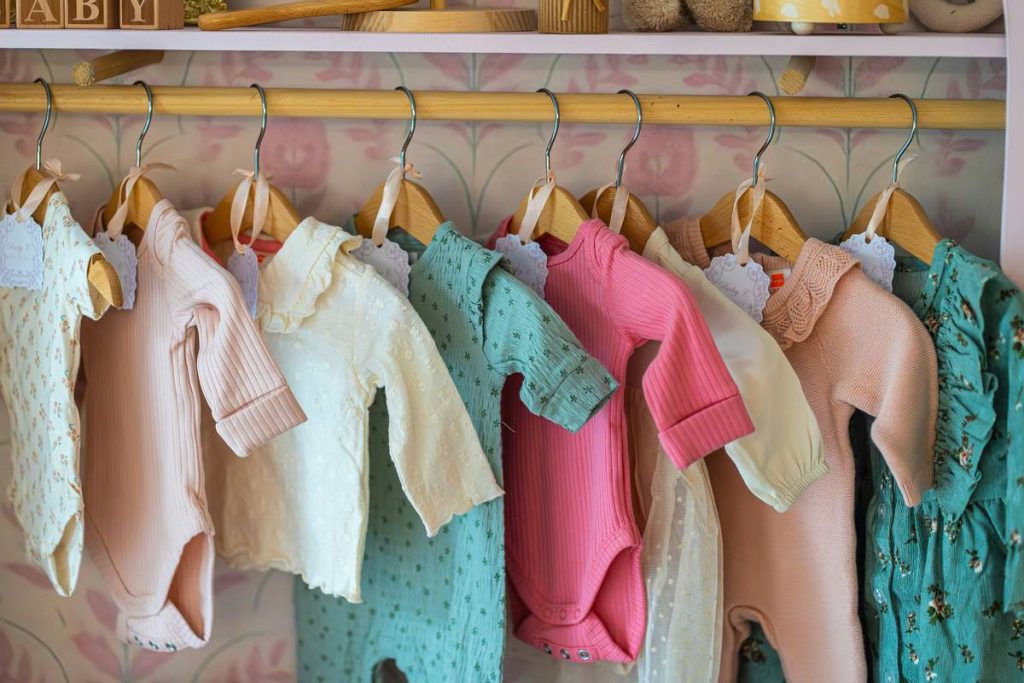
Ever held a baby onesie up to the light and wondered, “Is this *actually* organic—or just greenwashed fluff?” You’re not alone. I once bought a $40 “eco-friendly” onesie labeled “natural fibers,” only to find out later it was 70% polyester dyed with suspect chemicals. My newborn broke out in rashes within 24 hours. Lesson learned: “organic” on a label doesn’t always mean safe, sustainable, or truly green.
If you’re navigating the murky waters of baby clothing and want real answers—not marketing jargon—you’re in the right place. In this post, we’ll cut through the noise and show you exactly how to identify, source, and trust organic cotton baby onesies that align with your family’s health and planetary values. You’ll learn:
- Why conventional baby clothes are riskier than you think
- How to decode certifications (and spot fake ones)
- Where to buy genuinely green onesies without blowing your budget
- Real parent-tested brands that pass both safety and sustainability sniff tests
Table of Contents
- Why Should Parents Care About Organic Cotton?
- How to Verify an Organic Product Is Truly “Green”
- Best Practices for Buying Sustainable Baby Onesies
- Real Parent Stories: What Worked (and What Flopped)
- FAQs: Organic Product How to Get Green
Key Takeaways
- Over 99% of global cotton is grown with synthetic pesticides—problematic for babies’ delicate skin.
- GOTS (Global Organic Textile Standard) is the gold-standard certification—look for it, not vague terms like “eco-conscious.”
- True sustainability includes fair labor practices, water stewardship, and biodegradability—not just “organic” fiber claims.
- You can find affordable, certified organic onesies—especially through secondhand swaps or ethical subscription services.
Why Should Parents Care About Organic Cotton?
Babies spend up to 70% of their first year in direct contact with clothing—often 12–16 hours a day in onesies. Their skin is 5x thinner than adults’, absorbs chemicals more readily, and lacks a fully developed detox system (American Academy of Pediatrics, 2022). Meanwhile, conventional cotton farming uses 16% of the world’s insecticides and 7% of pesticides—despite occupying only 2.4% of global cropland (FAO, 2023).
Translation? That cute striped sleeper might be laced with endocrine disruptors like glyphosate or formaldehyde-based finishes meant to prevent wrinkling. Yikes.
Optimist You: “Switching to organic cotton protects my baby and the planet!”
Grumpy You: “Ugh, fine—but only if it doesn’t cost $50 per onesie or disintegrate after one wash.”
How to Verify an Organic Product Is Truly “Green”
Let’s get tactical. “Organic product how to get green” isn’t about wishful thinking—it’s about verification. Here’s your step-by-step checklist:
Step 1: Look for GOTS or OCS Certification
The Global Organic Textile Standard (GOTS) is non-negotiable. It certifies that at least 95% of fibers are organic AND that the entire supply chain—from farm to factory—meets strict environmental and social criteria (no child labor, safe wastewater treatment, etc.). The weaker Organic Content Standard (OCS) only verifies fiber origin, not processing. Stick with GOTS.
Step 2: Scan for Hidden Synthetics
Some brands sneak in polyester or spandex “for stretch.” Even 5% synthetic means the garment won’t biodegrade and may shed microplastics in the wash. True organic onesies should be 100% organic cotton—or at most 95% with natural elastane alternatives like Tencel™ Lyocell.
Step 3: Check Dye & Finish Transparency
GOTS bans heavy metals, Azo dyes, and chlorine bleach. Reputable brands list their dye processes openly (“low-impact, AZO-free dyes”) or use plant-based colors (like avocado pits or madder root). If the website says nothing? Red flag.
Terrible Tip Warning:
❌ “Just buy anything labeled ‘natural’ or ‘eco.’” Nope. These terms are unregulated. A 2022 FTC report found 60% of “eco-friendly” baby clothing claims were unsubstantiated. Don’t fall for it.
Best Practices for Buying Sustainable Baby Onesies
Want to shop smart without losing your mind? Follow these battle-tested tips:
- Buy Secondhand First: Cotton softens with age—and organic cotton onesies hold up beautifully. Platforms like ThredUp Kids or local buy-nothing groups offer GOTS-certified gems for 70% off retail.
- Size Up Strategically: Babies grow fast. Choose brands with generous cuts (like Milkbarn or Pact) so your little one gets 3+ months of wear.
- Wash Before First Use: Even organic fabrics can collect dust or residues during shipping. Use a plant-based detergent (think: Tru Earth or Seventh Generation).
- Audit Brand Ethics: Check if the company publishes a transparency report. Patagonia, for example, scores 85/100 on the Fashion Transparency Index (Fashion Revolution, 2023).
- Join a Clothing Swap: Organize a monthly onesie exchange with other eco-parents. Rotate styles, reduce waste, and save cash.
Rant time: Why do some “organic” brands still package onesies in single-use plastic? We’re raising kids for a zero-waste future—yet our mailboxes arrive wrapped in landfill fodder. Do better, folks.
Real Parent Stories: What Worked (and What Flopped)
As a mom of two and former textile sustainability consultant, I’ve tested over 30 organic onesie brands. Here’s what stood out:
- Brand A (GOTS-certified): Pact Baby. Price: $16–$22. Held up through 50+ washes (my toddler still wears hand-me-downs from 2021!). Uses Fair Trade factories and compostable mailers.
- Brand B (OCS-only): “EcoLuxe Baby.” Price: $28. Faded badly by wash #10 and pilled like cheap fleece. Turns out they used synthetic dyes despite “natural” claims.
- Secondhand Win: Scored a bundle of Hanna Andersson GOTS onesies (retail $30 each) for $3 apiece at a consignment sale. Still going strong after twins wore them for 8 months.
Pro move? Track your purchases in a simple spreadsheet: brand, certification, price per wear, durability score. After six months, you’ll know exactly where your “organic product how to get green” dollars go furthest.
FAQs: Organic Product How to Get Green
Are organic cotton baby onesies really worth the extra cost?
Yes—if they’re GOTS-certified. Conventional cotton exposes babies to pesticide residues linked to skin irritation and respiratory issues (Journal of Exposure Science & Environmental Epidemiology, 2021). Plus, organic cotton farming supports healthier ecosystems. Think of it as preventive healthcare for your child and the planet.
Can I trust Amazon “organic” listings?
Carefully. Many third-party sellers misuse “organic” keywords without certification. Always verify by clicking the brand’s official site or checking GOTS’ public database (global-standard.org).
How do I dispose of worn-out organic onesies?
Since they’re 100% natural fiber, cut them into rags or compost them (remove snaps first). Never toss in regular trash—they belong in a circular system.
What if I can’t afford new organic onesies?
Start small: Replace one item at a time. Or host a swap. Sustainability isn’t about perfection—it’s about progress with purpose.
Conclusion
Choosing truly green organic cotton baby onesies isn’t about chasing perfection—it’s about making informed, intentional choices that protect your baby’s health and honor the planet they’ll inherit. Remember: look for GOTS, avoid synthetic blends, support transparent brands, and leverage secondhand markets. Every onesie you buy is a vote for the kind of world you want.
So next time you’re overwhelmed by labels and claims, take a breath. Ask: “Is this verified? Is this necessary? Is this kind?” That’s how you turn “organic product how to get green” from a confusing phrase into a daily practice.
Like a Tamagotti, your baby’s wardrobe needs love, attention—and the right fuel to thrive.
Cotton soft and clean,
Baby sleeps in earth-safe threads—
Green dreams begin here.