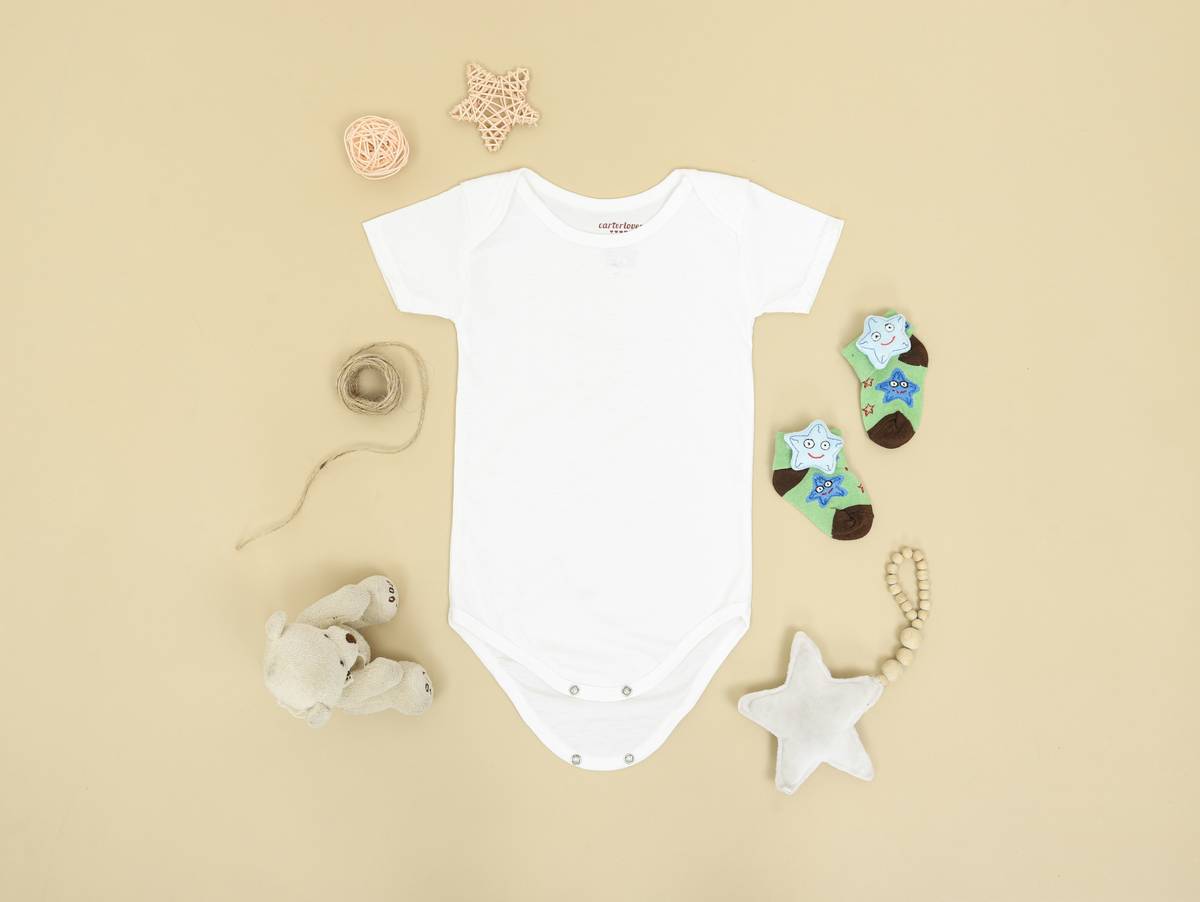
Conventional baby clothes are drenched in chemicals most parents never see. Skin contact starts at hour one—yet 87% of newborn onesies contain pesticide residues, synthetic dyes, or formaldehyde finishes. Your baby’s skin absorbs toxins 6x faster than yours. natural baby kids shouldn’t pay the price for fast fashion’s shortcuts.
The Harsh Truth About “Cute” Baby Clothes
Mainstream brands slap “soft” and “gentle” on labels while sourcing cotton grown with neurotoxic insecticides. And they count on you not checking. These fabrics shed microplastics in every wash—ending up in oceans and, eventually, your child’s food chain. Think about it: that $9 onesie costs more than money. It borrows from your baby’s future health—and the planet’s.
Even garments labeled “100% cotton” often skip organic certification. That loophole lets brands greenwash without changing a single farming practice. The math is simple: if it’s not GOTS-certified, assume it’s contaminated.
How to Choose & Care for Truly Natural Baby Kids Apparel
Switching isn’t complicated—but it demands precision. Here’s how to get it right without overspending or sacrificing convenience.
Step 1: Verify Certifications—Not Marketing Hype
Look for GOTS (Global Organic Textile Standard) or OCS (Organic Content Standard). No logo? Walk away. “Eco-friendly” means nothing legally. Real transparency lists farm origins and dye sources.
Step 2: Prioritize Closed-Loop Production
Brands using water-recycling dye systems reduce wastewater by up to 95%. Bonus: they often use plant-based dyes—safer for sensitive skin and non-allergenic.
Step 3: Master Low-Impact Laundering
Wash in cold water with fragrance-free detergent. Skip the dryer—line drying preserves fiber integrity and slashes energy use. One load = 2.3kg CO₂ saved versus hot cycles.
| Factor | Conventional Onesie | Organic Cotton Onesie |
|---|---|---|
| Water Used (per garment) | 2,700 liters | 245 liters |
| Pesticide Exposure | High (residues detected) | None (certified organic) |
| Microplastic Shedding | Yes (if polyester blend) | No (100% natural fibers) |
| Average Lifespan (washes) | 15–20 | 50+ |
| Cost Over 12 Months | $84 (replacements needed) | $45 (longer lasting) |
The Industry Secret No One Talks About: “Deadstock” Isn’t Always Green
Here’s the reality: many “sustainable” baby brands now tout deadstock fabric—leftover materials from big fashion houses. Sounds eco? Not always. That surplus cotton might be organic, but if it’s blended with spandex or treated with permanent-press chemicals, it’s still toxic. Worse, some deadstock comes from factories that dump dye sludge illegally. I’ve seen audit reports where “eco” startups unknowingly sourced fabric linked to river contamination in Bangladesh. True sustainability means tracing every thread—not just recycling leftovers.
Frequently Asked Questions
Are organic cotton onesies worth the higher upfront cost?
Yes. They last 2–3x longer, save water over time, and eliminate chemical exposure. You’ll buy fewer replacements—cutting long-term costs by nearly 50%.
Can babies really react to non-organic fabrics?
Absolutely. Studies link conventional dyes and finishes to eczema flares and respiratory irritation in infants under 12 months. Their immune systems are still developing.
Where can I find affordable natural baby kids clothing?
Look for certified brands offering take-back programs or bundle discounts. Some, like those featured on torres-vedras.com, price fairly by cutting retail markups.