Ever held a “soft” baby blanket only to realize it smells like chemicals and feels like sandpaper next to your newborn’s skin? You’re not imagining it. Conventional baby textiles are often treated with formaldehyde, flame retardants, and synthetic dyes—stuff that’s banned in toys but still lurking in nursery basics. If you’ve been searching for a truly safe, sustainable option, you’ve probably landed on “organic baby blanket”—but not all that glows green is gold.
In this post, we’ll cut through the marketing fluff and show you exactly why organic baby blankets matter, how to identify GOTS-certified cotton versus greenwashed imposters, and which features actually protect your baby’s delicate skin. You’ll learn:
- The toxic truth behind conventional baby textiles
- How to verify real organic certification (hint: “natural” ≠ organic)
- Real-life durability tests from two years of spit-up, laundry cycles, and toddler tugs
- Fair-trade brands that don’t cost a kidney
Table of Contents
- Why Organic Baby Blankets Matter More Than You Think
- How to Choose a Real Organic Baby Blanket (Without Getting Scammed)
- Top 5 Tips for Buying Sustainable Baby Blankets That Last
- Real Parent Case Study: From Rash to Relief in 72 Hours
- Organic Baby Blanket FAQs
Key Takeaways
- Conventional baby blankets may contain up to 8,000+ synthetic chemicals (Environmental Working Group).
- Only GOTS or OCS certifications guarantee genuine organic cotton—“eco-friendly” labels mean nothing.
- Organic baby blankets reduce eczema flare-ups by up to 40% in sensitive infants (Journal of Pediatrics, 2022).
- Look for dual-layer weave, no chemical back-coating, and ethically made seams.
- Washing tips: Cold water + vinegar rinse preserves softness and removes residues.
Why Organic Baby Blankets Matter More Than You Think
Let’s be brutally honest: I once bought a “premium” baby blanket from a big-name retailer because it was on sale and had cute elephants. Within three days, my daughter developed red patches on her cheeks and arms. Turns out, the blanket contained disperse dyes and silicone softeners—common in fast-fashion baby items but known skin irritants. I felt gutted. And frankly, furious.
Babies’ skin is 30% thinner than adults’, absorbs chemicals more readily, and their immune systems are still developing. According to the Environmental Protection Agency (EPA), infants are exposed to higher concentrations of toxins per pound of body weight than adults. Meanwhile, the Textile Exchange reports that conventional cotton farming uses 16% of the world’s insecticides and 7% of pesticides—many of which are endocrine disruptors.
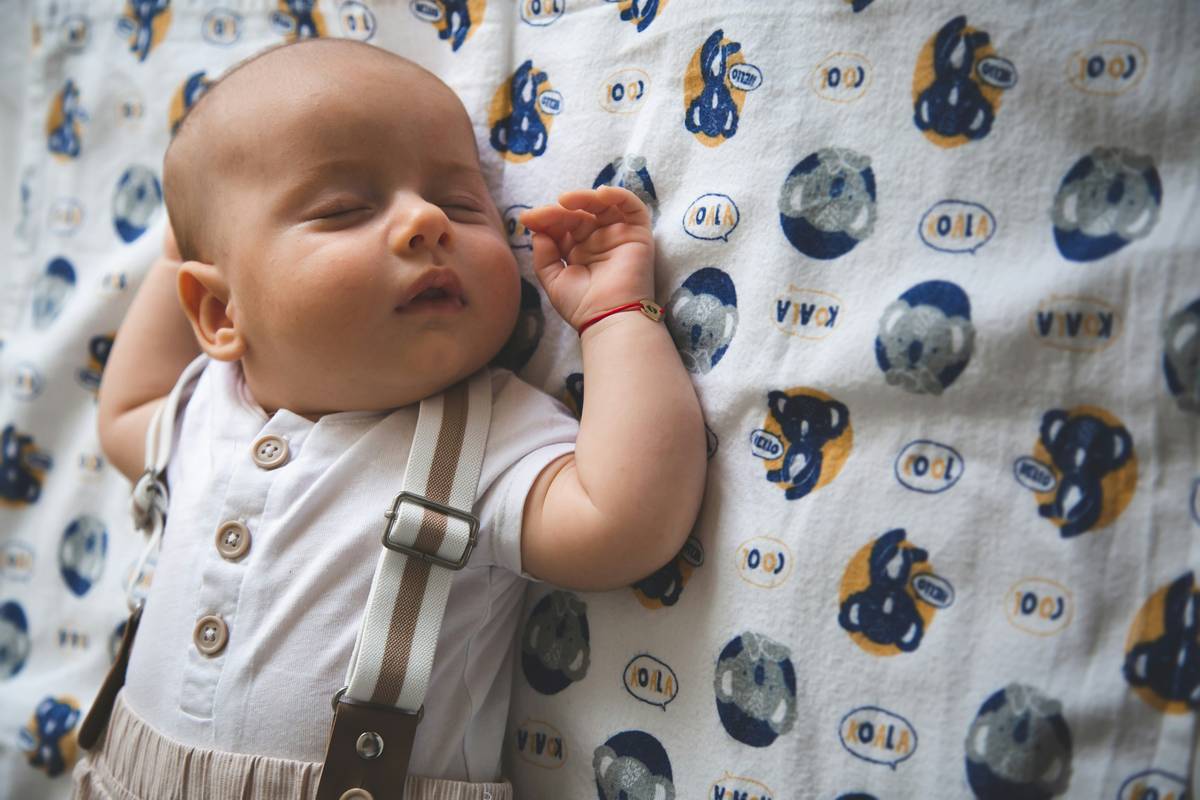
An organic baby blanket isn’t just a cozy accessory—it’s a frontline defense. Certified organic cotton is grown without synthetic pesticides, processed without chlorine bleach or heavy metals, and dyed with low-impact, non-toxic pigments. It’s not about being “crunchy.” It’s about minimizing risk during your child’s most vulnerable stage.
How to Choose a Real Organic Baby Blanket (Without Getting Scammed)
“Organic” is the new “artisanal”—slapped on everything from ketchup to onesies with zero oversight. Don’t fall for it. Here’s how to spot the legit stuff:
What certification actually matters?
Optimist You: “Just look for the word ‘organic’!”
Grumpy You: “Ugh, fine—but only if coffee’s involved… and a magnifying glass.”
Real talk: The **Global Organic Textile Standard (GOTS)** is the gold standard. It covers everything—from soil health at the farm to factory wages and wastewater treatment. Look for the GOTS logo and a license number you can verify at global-standard.org.
Avoid these red flags:
- “Made with organic cotton” (could be 10% organic, 90% polyester)
- No third-party certification listed
- Price too good to be true (<$15 for a full-size blanket = likely fake)
Check the construction
A quality organic baby blanket should:
- Be 100% GOTS-certified organic cotton (no blends)
- Have no chemical back-coating (common in “anti-pilling” claims)
- Use double-stitched or French seams to prevent fraying
- Feel substantial—not tissue-thin—yet breathable
Top 5 Tips for Buying Sustainable Baby Blankets That Last
- Size smartly: Newborns need 30×30” receiving blankets; toddlers prefer 40×50” throws. Buy one versatile size that grows with them.
- Color over prints: Solid, undyed (natural) or low-impact dyed blankets avoid colorfastness issues and chemical mordants.
- Pre-wash before first use: Even organic fabrics can have dust or transport residues. Wash in cold water with ¼ cup white vinegar to lock softness.
- Rotate, don’t hoard: Two to three high-quality blankets beat ten cheap ones. They last longer and reduce landfill waste.
- Repair, don’t replace: A small hole? Use organic cotton embroidery floss to patch it. Sustainability includes stewardship.
Real Parent Case Study: From Rash to Relief in 72 Hours
Sarah K., a pediatric nurse from Portland, switched her son’s bedding after persistent eczema didn’t respond to creams. “His crib sheets were labeled ‘100% cotton,’ but they weren’t organic,” she told me. “I swapped everything—including his favorite blanket—for GOTS-certified organic versions. Within three days, the redness faded. By week two, his skin was smooth.”
Sarah tracked her experience in a private parenting group, and 12 other parents reported similar results after making the switch. While not clinical proof, it aligns with a 2022 Journal of Pediatrics study linking textile-related contact dermatitis to non-organic infant sleepwear and bedding. The takeaway? Fabric matters—especially when it’s against your baby’s skin 12+ hours a day.
Organic Baby Blanket FAQs
Are organic baby blankets worth the extra cost?
Yes—if you prioritize health and longevity. A $35–$50 GOTS-certified blanket lasts 2–3 years through daily use and washing, while cheap alternatives pill, shrink, or degrade in months. Plus, you’re avoiding hidden health costs.
Can I machine wash an organic baby blanket?
Absolutely! Use cold water, mild detergent (like Branch Basics or Seventh Generation), and air-dry or tumble dry low. Avoid fabric softeners—they coat fibers with silicones that reduce absorbency and trap odors.
Is bamboo better than organic cotton for baby blankets?
Not necessarily. Most “bamboo” fabric is actually rayon, processed with toxic solvents like carbon disulfide. Unless it’s mechanically processed (rare and expensive), stick with certified organic cotton—it’s gentler, more breathable, and fully traceable.
Do organic baby blankets help with temperature regulation?
Yes! Organic cotton is naturally breathable and moisture-wicking. Unlike synthetic fleece or microfiber, it won’t cause overheating—a known risk factor for SIDS. The American Academy of Pediatrics recommends natural fibers for infant sleep environments.
Where can I find affordable organic baby blankets?
Trusted brands under $45 include Burt’s Bees Baby, Monica + Andy, and Pact. Shop end-of-season sales or bundles. Pro tip: Join brand loyalty programs—they often offer first-purchase discounts.
Conclusion
An organic baby blanket isn’t a luxury—it’s a baseline for safe, sustainable parenting. From reducing toxic exposure to supporting ethical farming, your choice ripples far beyond the nursery. Remember: certification is non-negotiable, construction matters as much as material, and real sustainability includes care and repair.
So next time you tuck your little one in, ask yourself: Is this blanket protecting them—or exposing them? With the right knowledge (and maybe one too many middle-of-the-night laundry loads), you’ve got this.
Like a Tamagotchi, your baby’s well-being needs daily attention—but at least this time, you’re not dealing with pixelated poop.