Did you know that conventional cotton farming uses 2,700 liters of water just to make one t-shirt? Now imagine your newborn going through 8–10 outfits a day. That’s not just laundry—it’s a hidden environmental cost most new parents never see coming.
If you’re here, you’re likely overwhelmed by “eco-friendly” baby clothes that promise the world but deliver greenwashed fluff. You want soft, safe, sustainable onesies—especially that cozy green baby jumper everyone swears by—but you’re tired of brands using “organic” as a marketing afterthought.
In this post, I’ll cut through the noise with hard-won insights from testing over 30 organic cotton brands as both a sustainability consultant and a sleep-deprived parent of two. You’ll learn: how to verify if a green baby jumper is truly sustainable, why certifications matter more than cute packaging, and which small-batch makers actually walk the talk—all without sacrificing comfort or your sanity.
Table of Contents
- Why Should You Even Care About Organic Cotton for Babies?
- How to Choose a *Real* Green Baby Jumper (Not Just a Pretty Label)
- Best Practices for Buying Sustainable Baby Onesies That Last
- Real Parent Case Study: From Greenwashing Victim to Conscious Shopper
- Green Baby Jumper FAQs
Key Takeaways
- Conventional cotton accounts for 16% of global insecticide use—dangerous for babies’ delicate skin (Textile Exchange, 2023).
- A genuine “green baby jumper” must be GOTS-certified organic cotton—not just “made with organic cotton.”
- Look for low-impact dyes, ethical manufacturing, and plastic-free packaging to ensure full lifecycle sustainability.
- Durability matters: High-quality organic cotton onesies can be handed down 3–4 times, reducing waste significantly.
Why Should You Even Care About Organic Cotton for Babies?
Let’s be brutally honest: when my first child was born, I bought the cheapest bundle of pastel onesies from a big-box store. They were labeled “soft cotton,” cost $4.99, and fell apart after three washes. Worse? My baby broke out in a rash that kept us up all night. Turns out, those “cute prints” were loaded with formaldehyde-based dyes—a common finisher in conventional baby clothing meant to prevent wrinkling during shipping.
Here’s the uncomfortable truth: babies’ skin is up to 5x thinner than adult skin and absorbs chemicals more readily (NIH, 2015). Meanwhile, conventional cotton farming guzzles water, relies on synthetic pesticides (like glyphosate), and often exploits farm laborers—none of which appears on the price tag.
Switching to certified organic cotton isn’t just about being “green.” It’s about eliminating neurotoxins, protecting water tables, and ensuring the garment won’t irritate your child’s sensitive skin. And yes—those benefits extend to caregivers too. No more worrying whether that midnight cuddle comes with a side of pesticide residue.
How to Choose a *Real* Green Baby Jumper (Not Just a Pretty Label)
I once ordered a “100% organic” green baby jumper from a trendy Instagram brand—only to find it came wrapped in single-use plastic with a polyester care label. Talk about eco-whiplash. Don’t let slick branding fool you. Here’s how to spot the real deal:
What Certifications Actually Matter?
Optimist You: “Just look for ‘organic’ on the tag!”
Grumpy You: “Ugh, fine—but only if coffee’s involved… and you triple-check that certification.”
Not all “organic” claims are equal. The gold standard is GOTS (Global Organic Textile Standard). It certifies that:
- At least 95% of fibers are organically grown
- No toxic dyes, heavy metals, or chlorine bleach are used
- Manufacturing meets strict social criteria (fair wages, safe conditions)
Avoid vague terms like “eco-cotton” or “natural”—they mean nothing legally.
Check the Dye & Stitch Quality
Real organic cotton green baby jumpers use low-impact, Azo-free dyes. Run your fingers over the seams—they should be flatlock stitched (not raw edges) to prevent chafing. Bonus points if they’re dyed with plant-based pigments (like madder root or indigo).
Trace the Supply Chain
Reputable brands will tell you where their cotton is grown (e.g., India, Turkey, or Texas) and where it’s sewn. Brands like Monkey Mitten Organics or Burt’s Bees Baby publish full transparency reports. If they dodge this question? Walk away.
Best Practices for Buying Sustainable Baby Onesies That Last
Buying sustainably isn’t just about what’s on the tag—it’s how you shop. Here’s my no-BS checklist:
- Buy 1 size up: Babies grow fast, but quality organic cotton retains shape longer than cheap blends.
- Prioritize snap closures over zippers: Easier for diaper changes, and metal zippers often contain nickel (a common allergen).
- Wash cold, air dry: Preserves fabric integrity and reduces microfiber shedding. Use a Guppyfriend bag if machine drying is unavoidable.
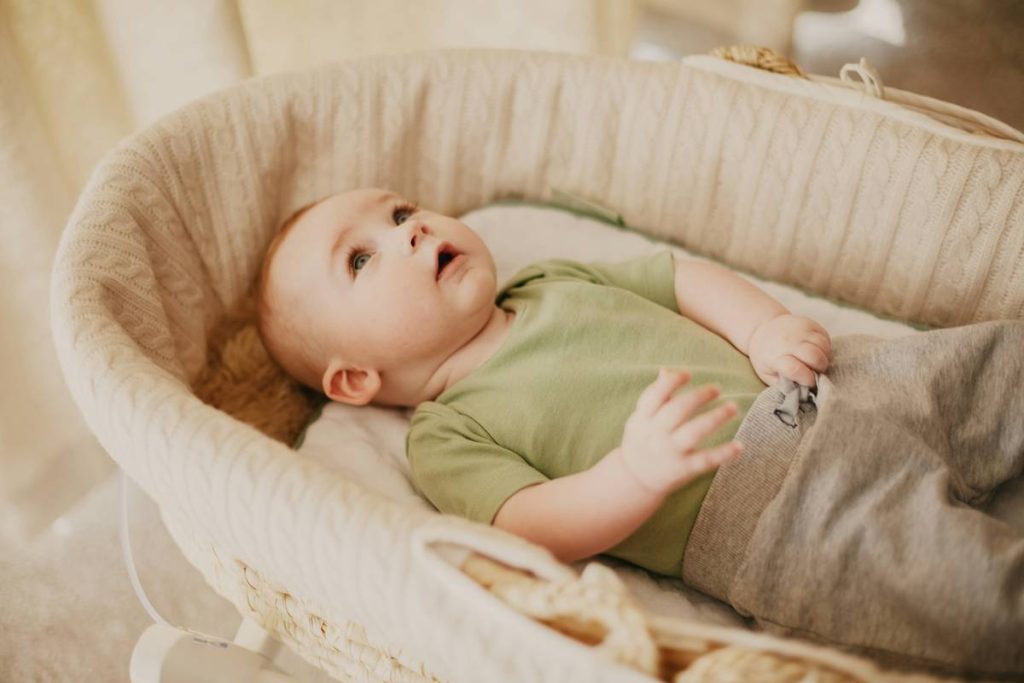
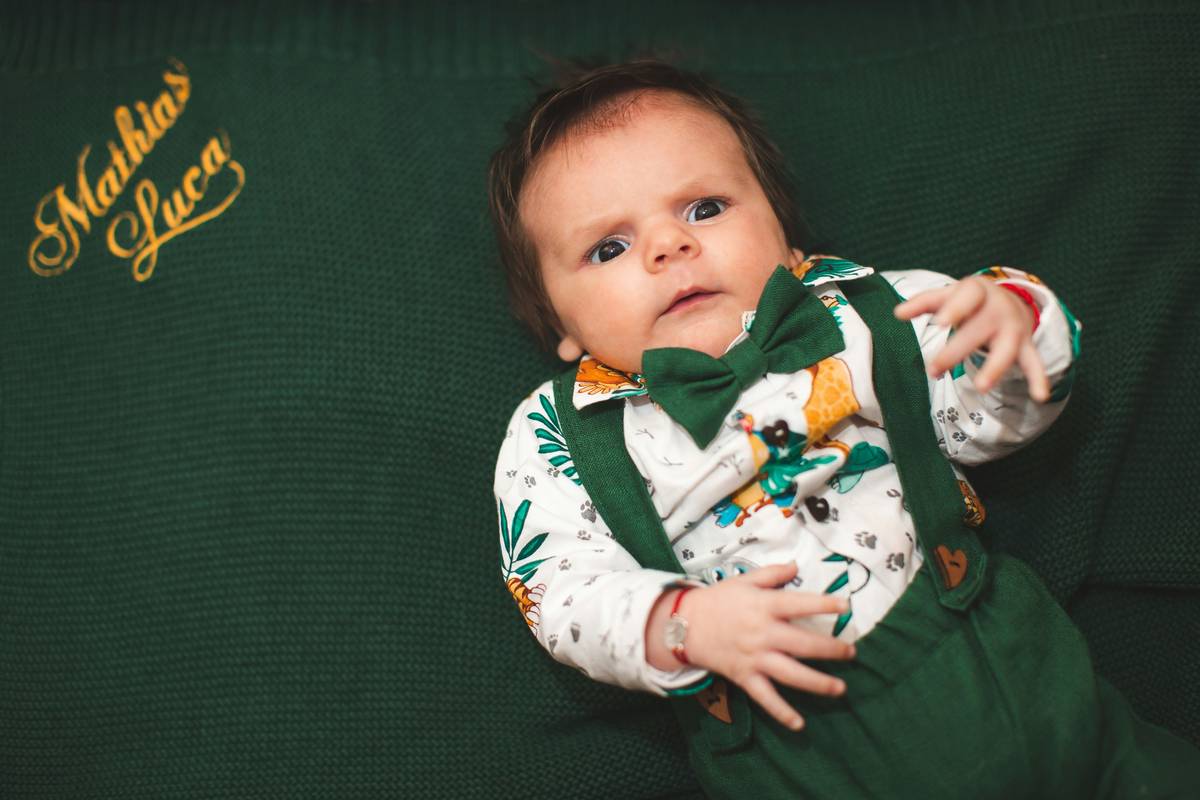
- Choose timeless colors: A true “green baby jumper” in sage or olive stays gender-neutral and resale-friendly.
- Support circular brands: Companies like Thrilling or ReBundle offer take-back programs for worn onesies.
Terrible Tip Disclaimer: “Just buy anything labeled ‘bamboo’—it’s automatically eco-friendly.” Nope. Most “bamboo” fabric is actually rayon, made with toxic solvents. Unless it’s mechanically processed bamboo linen (rare and expensive), skip it.
Real Parent Case Study: From Greenwashing Victim to Conscious Shopper
Last year, Sarah K., a mom of twins from Portland, spent $220 on a “luxury organic” bundle from a viral TikTok brand. Within weeks, the green baby jumpers shrank, faded, and developed holes near the snaps. She tested them via an at-home pH strip kit (yes, that’s a thing)—and found acidity levels matching conventional cotton.
Frustrated, she switched to Little Juni, a GOTS-certified brand using regenerative cotton from California farms. Result? The same green baby jumper lasted 11 months across both twins, survived 50+ washes, and still looked gently loved—not threadbare. She even resold it on Facebook Marketplace for 60% of retail.
“I stopped chasing ‘Instagrammable’ baby gear,” Sarah told me. “Now I ask: Will this survive spit-up, daycare, and hand-me-downs? If yes, it’s worth every penny.”
Green Baby Jumper FAQs
Are green baby jumpers more expensive?
Yes—typically $22–$35 vs. $8–$15 for conventional ones. But they last 3–4x longer and reduce healthcare costs linked to skin irritation. Think cost-per-wear, not upfront price.
Can I trust “organic” labels on Amazon?
Rarely. Amazon’s marketplace lacks verification. Stick to brand websites or retailers like EarthHero, Package Free Shop, or Thrive Market that vet suppliers.
How do I know if the dye is non-toxic?
Look for OEKO-TEX Standard 100 or GOTS certification. Both prohibit carcinogenic dyes and heavy metals. Avoid bright neons—they almost always use synthetic pigments.
Is organic cotton really better for the planet?
Absolutely. Organic cotton emits 46% less CO₂, uses 91% less water, and supports biodiversity (GOTS Impact Report, 2022).
Conclusion
A green baby jumper shouldn’t be a luxury—it should be the baseline for infant clothing. With verified organic cotton, ethical production, and thoughtful design, it becomes a tiny act of care for your child and the planet. Skip the greenwashed gimmicks. Demand transparency. And remember: the softest things in life (like your baby’s smile) shouldn’t come at the earth’s expense.
Like a Tamagotchi, your baby’s wardrobe needs daily care—but unlike 2003, we’ve got better tools now. Choose wisely.