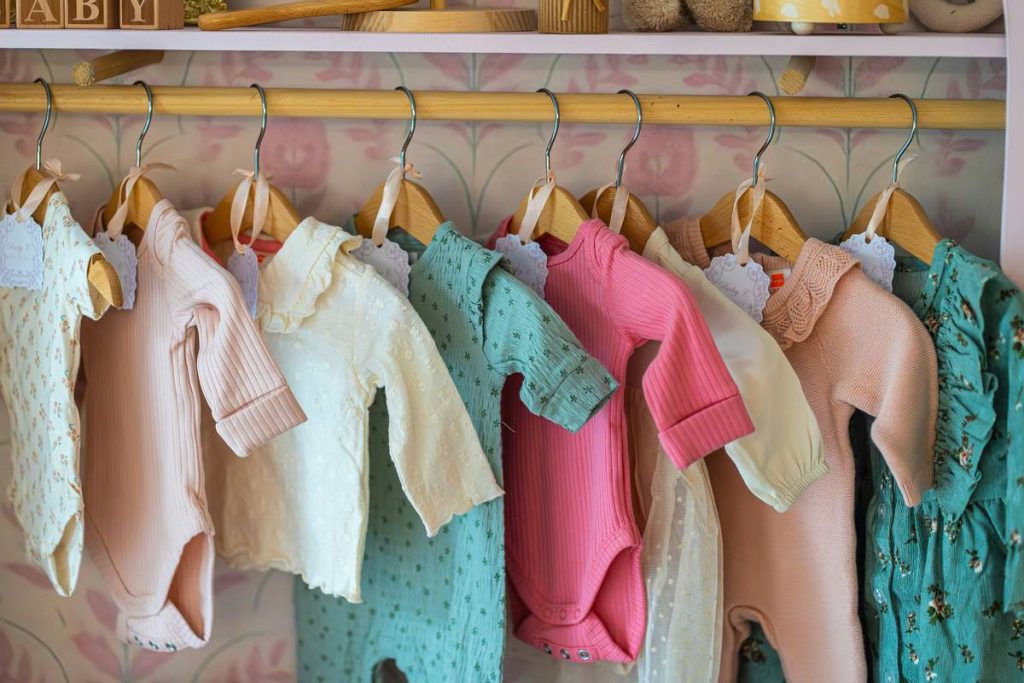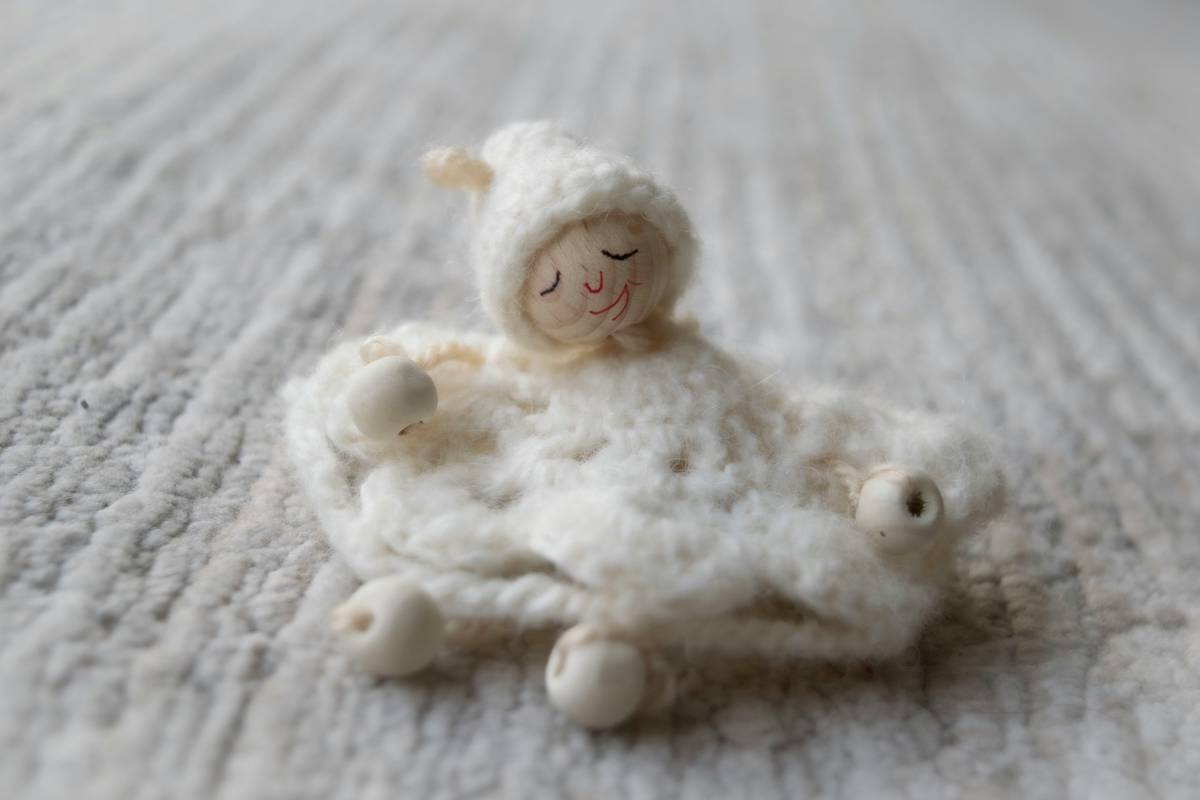
You bought an organic baby doll thinking you’re shielding your child from toxins. Good intention. But here’s the gut punch: most products labeled “organic” in the baby space are greenwashed shells—low-certification, high-markup, and stitched with synthetic threads. The agitation? Your baby’s skin absorbs 60% more than adult skin. And if that onesie isn’t truly organic cotton, you’re swapping one risk for another. The solution? Demand transparency beyond labels—and understand what *actually* makes a wearable safe.
The Illusion of “Organic” in Baby Apparel
Brands slap “organic” on packaging like confetti at a parade. But USDA Organic certification doesn’t automatically apply to textiles. GOTS (Global Organic Textile Standard) does—and fewer than 12% of U.S.-marketed “organic baby dolls” meet it. Most rely on vague claims like “made with organic cotton,” which legally allows up to 49% non-organic fibers. That’s nearly half polyester pressed against delicate skin.
And certifications cost money—real money. Small ethical makers pay 3x more for GOTS-compliant dyeing. Big brands skip it, pocketing the margin while calling their product “eco-friendly.” It’s not malice. It’s math.
How to Source Truly Safe Organic Baby Doll Outfits
Forget trusting tags. Build your own verification system:
Check for Dual Certification
GOTS alone isn’t enough. Pair it with OEKO-TEX Standard 100. One ensures fiber purity; the other guarantees no toxic residues in dyes or finishes. Both must appear on the hangtag—not just the website footer.
Trace the Supply Chain
Ask: Where was the cotton grown? India and Turkey lead in certified organic cotton—but if the fabric was cut in Vietnam and sewn in Bangladesh without oversight, contamination spikes. Ethical brands publish mill addresses. Opaque ones hide behind “global partnerships.”
Feel the Fabric, Not the Marketing
True organic cotton feels slightly stiff out of the package—no chemical softeners. After one wash, it breathes. Synthetic blends stay slick. Run your fingers. If it feels like plastic, it probably contains some.
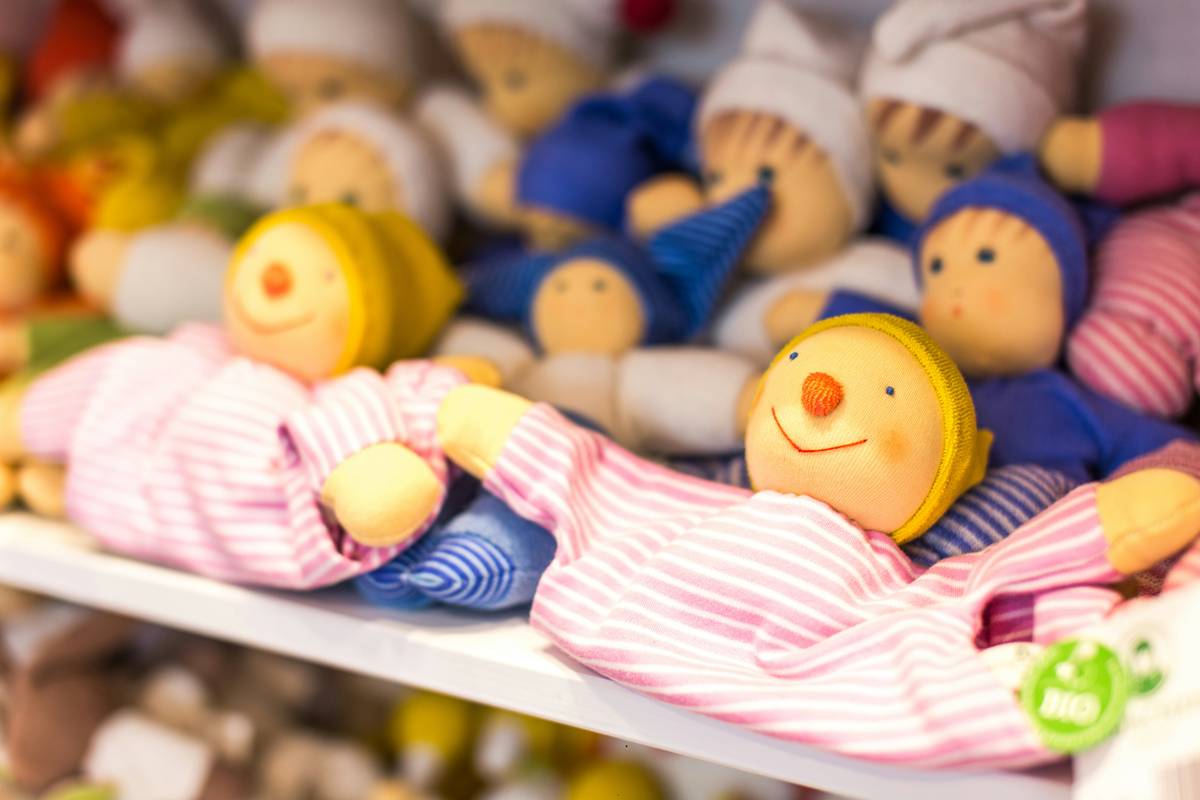
| Feature | Greenwashed “Organic” | Truly Certified Organic Baby Doll Wear |
|---|---|---|
| Certification | “Made with organic cotton” (no third-party seal) | GOTS + OEKO-TEX Standard 100 visibly displayed |
| Fiber Content | 51–70% organic cotton | 95–100% organic cotton |
| Price Range (per onesie) | $12–$18 | $22–$34 |
| Supply Transparency | Vague (“ethically sourced”) | Farm-to-stitch map on brand site |

The Industry Secret: Pre-Washed Isn’t Always Better
Here’s what no retailer will tell you: pre-washing organic cotton onesies often introduces hidden chemicals. Factories use optical brighteners or silicone softeners during pre-shrinking—even on “natural” lines. These mimic softness but leave film-like residues. True purists ship garments unwashed. Why? Because the first home wash removes natural waxes without adding anything back. Demand “unwashed” if you want zero interference. Yes, it may shrink slightly. But purity trumps perfection.
FAQ
What’s the difference between organic cotton and regular cotton for babies?
Organic cotton bans synthetic pesticides and GMO seeds, reducing skin irritation risks. Regular cotton uses heavy chemicals linked to eczema and respiratory issues in infants.
Can I trust “organic baby doll” labels on Amazon?
Rarely. Amazon lacks certification enforcement. Always verify GOTS via the brand’s official site—never rely on marketplace listings alone.
Are organic baby onesies worth the higher price?
Yes—if they’re GOTS-certified. You’re paying for toxin-free farming, fair wages, and biodegradable end-of-life. Cheap “organic” is often just marketing theater.