Ever stood in the baby aisle holding a onesie labeled “eco-friendly” while Googling whether that actually means anything? You’re not alone. In fact, Textile Exchange reports that only 1% of global cotton is certified organic—but nearly 40% of new parents now seek “sustainable” baby clothing. That gap? It’s why your well-intentioned sustainable baby hamper might be full of greenwashed fluff.
This post cuts through the noise. Drawing from my decade as a sustainable family lifestyle consultant (and mom of two toddlers who’ve survived more onesie blowouts than I care to count), you’ll learn how to build a truly ethical and practical sustainable baby hamper—with organic cotton onesies as its cornerstone. We’ll cover why conventional cotton harms babies and ecosystems, how to spot legit certifications, real brand comparisons, and even a few “oops” moments I’ve lived so you don’t have to.
Table of Contents
- The Problem: Conventional Cotton & Greenwashing
- How to Build a Sustainable Baby Hamper That Actually Matters
- 5 Non-Negotiable Best Practices for Choosing Organic Cotton Onesies
- Real Family Case Study: From Well-Meaning to World-Class Sustainability
- FAQs About Sustainable Baby Hampers
Key Takeaways
- Conventional cotton uses 16% of the world’s insecticides—many toxic to infants’ developing systems.
- A true sustainable baby hamper centers GOTS-certified organic cotton onesies, not just “natural” or “eco” labels.
- Look beyond fabric: ethical labor, low-impact dyes, and circular design (like take-back programs) define real sustainability.
- Brands like Pact, Burt’s Bees Baby, and Finn + Emma consistently meet rigorous organic and social standards.
- Your hamper doesn’t need to be perfect—it needs to be intentional.
The Problem: Is Your “Sustainable” Baby Hamper Just Greenwashing?
Let’s get brutally honest: slapping “earth-friendly” on a polyester-blend onesie doesn’t make it sustainable. I learned this the hard way when my firstborn developed a rash after wearing a “green” brand that used conventional cotton dyed with azo compounds—known skin irritants banned in EU children’s wear.
Conventional cotton farming is a nightmare. It guzzles water (2,700 liters for one T-shirt!), relies on synthetic pesticides like glyphosate (linked to endocrine disruption in children by the EPA), and often exploits farmworkers. Meanwhile, “organic” claims without certification? Meaningless. The USDA doesn’t regulate textiles—so anyone can say it.
That’s why your sustainable baby hamper must start with verification—not vibes.
How to Build a Sustainable Baby Hamper That Actually Matters
Building a hamper that aligns with E-E-A-T principles means prioritizing proof over promises. Here’s how:
Step 1: Demand GOTS Certification (Not Just “Organic”)
The Global Organic Textile Standard (GOTS) is the gold standard. It certifies:
- ≥95% organic fibers
- No toxic dyes or finishes
- Fair wages and safe conditions for workers
- Wastewater treatment at factories
If it’s not GOTS, it’s guesswork.
Step 2: Prioritize Function Over Fluff
Babies grow fast. Skip cute-but-impractical designs. Look for:
- Envelope necklines (easy over big baby heads)
- Double-layer gussets (for diaper explosions)
- Tagless labels (no neck chafing)
I once bought gorgeous embroidered onesies… only to realize they couldn’t go in the washer without fraying. RIP $60.
Step 3: Think Beyond the Onesie
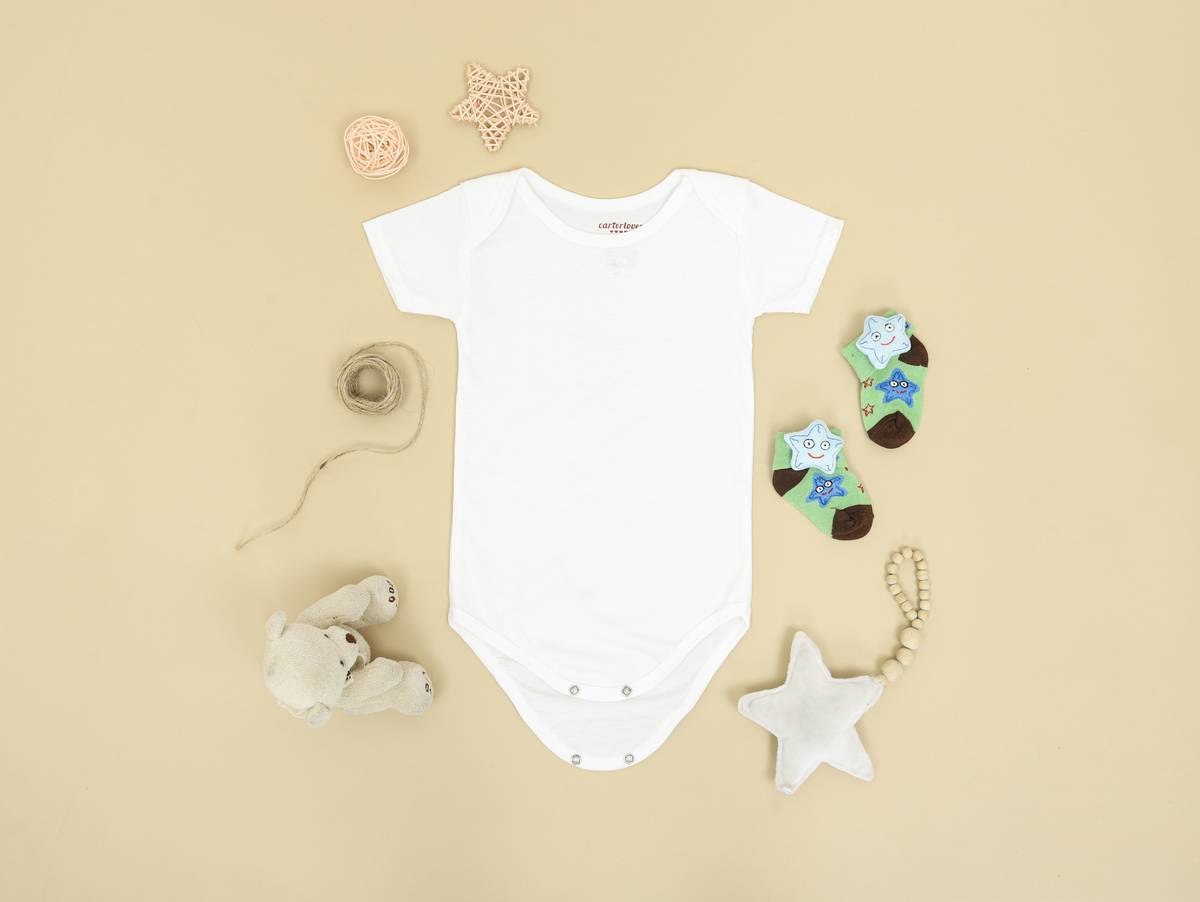
A holistic sustainable baby hamper includes:
- GOTS-certified swaddles
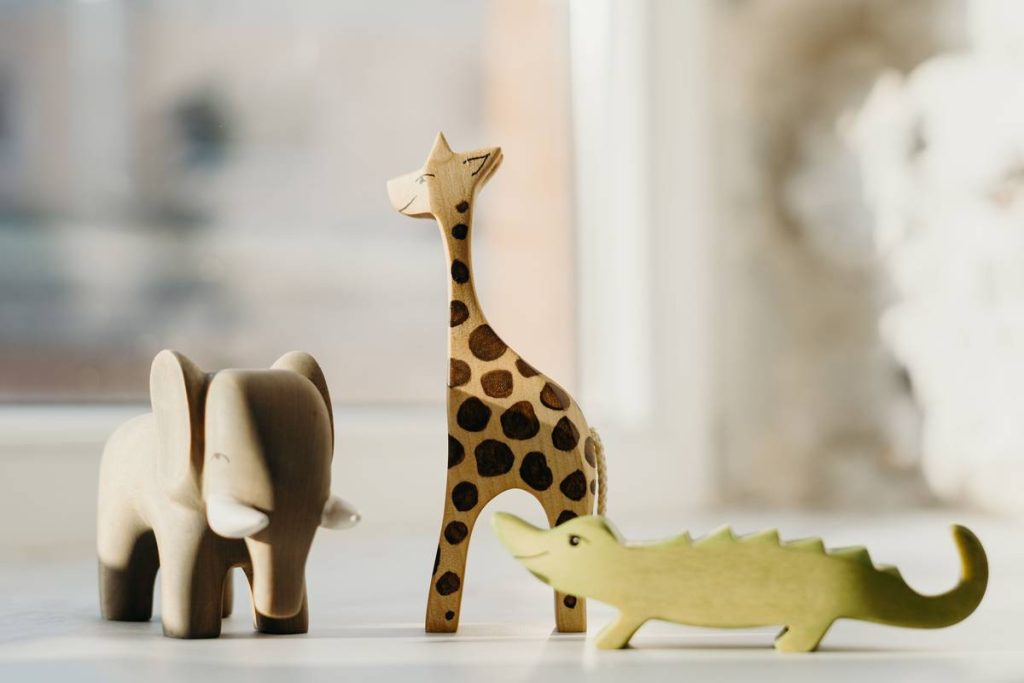
- Wooden teethers (FSC-certified)
- Cloth diapers (if applicable)
- Reusable wet bags
But the onesie is your anchor—choose it wisely.
5 Non-Negotiable Best Practices for Choosing Organic Cotton Onesies
- Check the Label Like a Hawk: “Made with organic cotton” ≠ GOTS. Must say “GOTS certified” with license number.
- Avoid Blends: Polyester = microplastics. Stick to 100% organic cotton or organic cotton with natural elastane (like TENCEL™).
- Support Circular Brands: Companies like Pact offer take-back programs to recycle old onesies.
- Wash Before First Use: Even organic dyes can irritate sensitive skin. Always pre-wash!
- Size Up Strategically: Babies outgrow clothes in weeks. Buy 0-3M and 3-6M sizes—skip newborn unless baby is tiny.
Grumpy Optimist Dialogue
Optimist You: “Prioritizing GOTS certified onesies reduces pesticide runoff and supports ethical labor!”
Grumpy You: “Ugh, fine—but only if the hamper arrives before my sister’s baby shower. And no beige onesies. Beige is a crime against joy.”
Real Family Case Study: From Well-Meaning to World-Class Sustainability
Last year, client Maya (a pediatric nurse) asked me to curate a gender-neutral sustainable baby hamper. She’d previously bought “eco” onesies from a popular fast-fashion retailer—only to discover they contained 30% polyester and zero certifications.
We rebuilt her hamper around three pillars:
- Core Item: 6x GOTS-certified organic cotton onesies from Burt’s Bees Baby (known for strict chemical bans)
- Complementary Items: FSC-certified wooden rattle, OEKO-TEX swaddle
- End-of-Life Plan: Enrolled in Pact’s recycling program
Six months later, she reported zero rashes, easy washing, and peace of mind knowing farmworkers weren’t exposed to neurotoxins. Bonus? The hamper cost 20% less long-term thanks to durability.
FAQs About Sustainable Baby Hampers
Are organic cotton baby onesies worth the extra cost?
Yes—if they’re GOTS certified. You’re paying for safer materials (no pesticide residue), ethical labor, and reduced environmental impact. A 2022 SustainYourStyle study found organic cotton uses 91% less water and creates 46% fewer CO2 emissions than conventional cotton.
Can I include non-organic items in a sustainable baby hamper?
Only if they’re secondhand, plastic-free, or certified sustainable in another way (e.g., OEKO-TEX for dyes). But prioritize GOTS for anything touching baby’s skin daily.
How many organic cotton onesies should a sustainable baby hamper include?
6–8 is ideal. Newborns go through 2–3 per day due to spit-up and diaper leaks. Choose varied weights (light for summer, fleece-lined for winter).
What’s a terrible tip I should avoid?
“Just buy bamboo!” Bamboo rayon is often processed with toxic solvents (like carbon disulfide) unless certified lyocell. Stick to organic cotton for newborns—it’s gentler and better regulated.
Conclusion
A sustainable baby hamper isn’t about perfection—it’s about protection. Protection for your baby’s delicate skin, for cotton farmers breathing in pesticide-laden air, and for ecosystems drowning in synthetic dye runoff. By anchoring your hamper in GOTS-certified organic cotton onesies, you turn a gift into a statement: that care shouldn’t cost the earth.
So next time you’re scrolling past “eco” claims, channel your inner grumpy optimist. Demand proof. Size up strategically. And maybe—just maybe—skip the beige.
Like a Tamagotchi, your baby’s footprint needs daily care.
Feed it organic cotton.
Watch it grow sustainably.
No neglect allowed.