Babies wear onesies nearly 24/7—but most are stitched from synthetic fibers soaked in toxic dyes. Your infant’s delicate skin absorbs up to 60% more chemicals than adult skin. And conventional cotton? It gulps pesticides, water, and labor exploitation. The solution isn’t just “organic.” It’s green baby knit—a tightly regulated, traceable standard that prioritizes planetary and human health from seed to stitch.
The Harsh Truth About “Natural” Baby Clothes
Brands slap “eco-friendly” on polyester blends dyed with heavy metals. They call it sustainable while sourcing cotton from farms that dump 16% of the world’s insecticides into rivers. You think you’re protecting your child. In reality, you’re wrapping them in a chemical cocktail disguised as comfort.
Standard certifications like OCS (Organic Content Standard) only verify fiber origin—not processing, dyeing, or fair wages. That “organic” label might mean 70% organic cotton… and 30% mystery plastic. Not good enough when every gram touches your newborn’s lungs and skin.
Your Step-by-Step Guide to Ethical Green Baby Knit
Verify True Organic Certification
Demand GOTS (Global Organic Textile Standard)—not just USDA Organic. GOTS bans toxic inputs across the entire supply chain and enforces social criteria for workers. If it’s not GOTS-certified, it’s greenwashing.
Prioritize Single-Origin Transparency
Ask: Where was the cotton grown? Who spun the yarn? Which factory sewed the seams? Brands like those featured on torres-vedras.com trace each batch to a specific co-op in India or Turkey—no vague “sourced globally” nonsense.
Choose Knit Over Woven
Knit fabrics stretch, breathe, and last longer through countless washes. Woven onesies pill, crack at stress points, and end up in landfills by month six. Green baby knit uses interlocking loops that move with your baby—no snaps digging into thighs during tummy time.
| Feature | Conventional Onesie | Green Baby Knit (GOTS) |
|---|---|---|
| Fiber Source | 95% conventional cotton + 5% spandex | 100% organic cotton, non-GMO |
| Dye Process | Azo dyes (carcinogenic) | Low-impact, metal-free dyes |
| Water Used per Garment | 2,700 liters | ≤ 200 liters (rain-fed farming + closed-loop recycling) |
| End-of-Life | Non-biodegradable (microplastics shed) | Home-compostable in 90 days |
| Avg. Price Premium | $8–$12 | $18–$24 (but lasts 3x longer) |
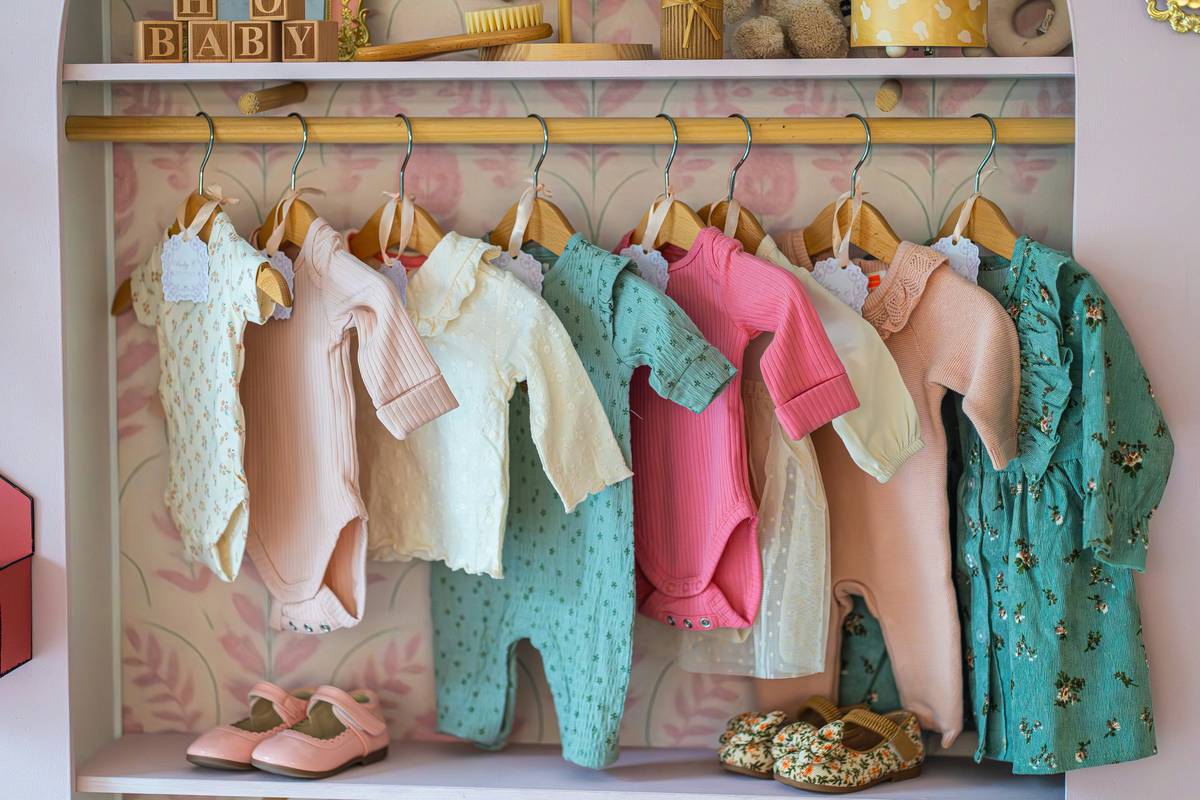
The Industry Secret No Brand Wants You to Know
Most “premium” organic baby lines still cut corners on knitting tension. Too loose? The fabric pills instantly. Too tight? It loses elasticity after two washes. But here’s what boutique European mills do differently—they use 28-gauge circular knitting machines calibrated for infant skin pH. The result? A green baby knit that actually gets softer over time instead of turning into sandpaper. Big brands avoid this because it slows production by 40%. Speed sells. Quality whispers.
Frequently Asked Questions
Are green baby knit onesies really worth the higher price?
Yes—they outlast 3+ conventional onesies, reducing long-term cost and waste. Plus, you avoid hidden healthcare costs from skin irritation.
Can I compost a green baby knit onesie at home?
If it’s 100% GOTS-certified organic cotton with natural dyes, yes. Remove any non-cotton labels first. It breaks down in 60–90 days in a backyard bin.
How do I verify a brand’s green baby knit claims?
Ask for the GOTS certificate number and look it up in the public database at global-standard.org. If they hesitate, walk away.