Ever held a “soft” newborn onesie only to realize it’s coated in mystery chemicals that make your nose wrinkle like you just opened a decades-old diaper bag? Yeah. You’re not alone.
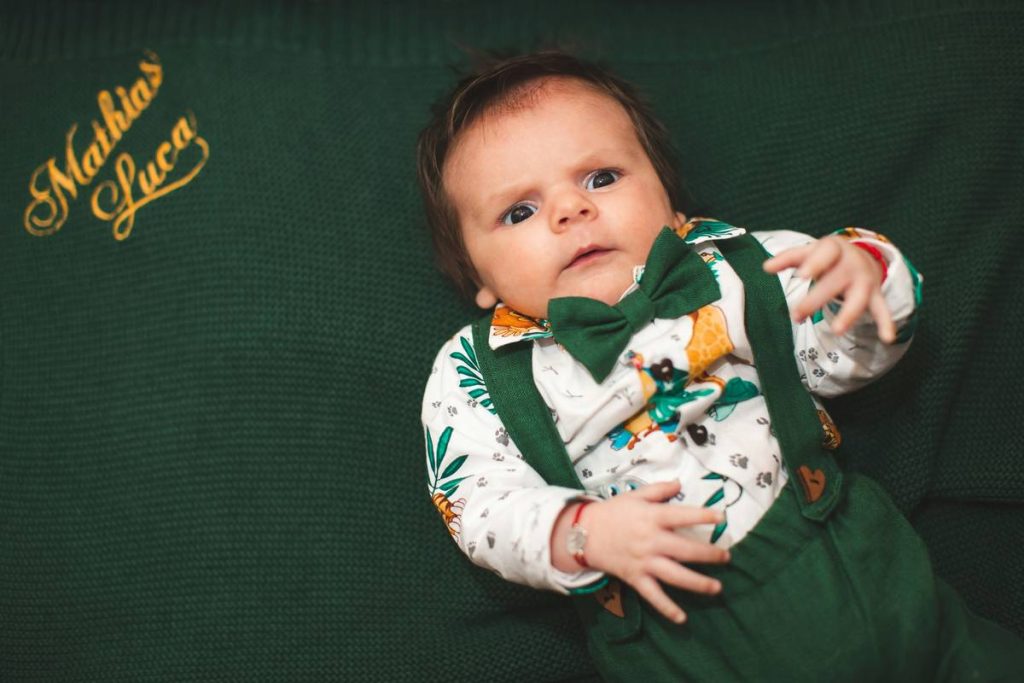
If you’re here, you’ve likely already ditched plastic toys for wooden teethers and swapped disposable wipes for reusable cloths. But what about the very fabric touching your baby’s skin 24/7? That’s where the green baby jumpsuit—specifically one made from certified organic cotton—steps in as your unsung hero.
In this guide, you’ll discover why conventional baby clothing is a hidden sustainability nightmare, how to spot truly eco-friendly onesies (spoiler: “natural” doesn’t cut it), and which brands actually walk their talk. Plus, real-life lessons from my own laundry-room disasters—and a brutally honest take on greenwashing in baby fashion.
Table of Contents
- Why Conventional Baby Clothes Aren’t as Soft as They Seem
- How to Choose a Truly Green Baby Jumpsuit: Step by Step
- 5 Non-Negotiable Best Practices for Buying Organic Cotton Onesies
- Real Parents, Real Results: Organic Onesie Case Studies
- Green Baby Jumpsuit FAQs
Key Takeaways
- Conventional cotton farming uses 16% of the world’s insecticides despite covering only 2.4% of farmland (FAO).
- A true green baby jumpsuit must be GOTS-certified—not just labeled “organic.”
- Organic cotton reduces water consumption by up to 91% compared to conventional cotton (Textile Exchange).
- Always check stitching, dyes, and packaging—not just the fabric tag.
- Secondhand organic cotton onesies are even greener than new.
Why Conventional Baby Clothes Aren’t as Soft as They Seem
Let’s be real: most baby clothes feel like clouds. But those clouds are often spun from pesticide-heavy cotton grown in fields that look more like chemical wastelands than pastures of purity.
According to the Food and Agriculture Organization (FAO), conventional cotton accounts for 16% of global insecticide use and nearly 7% of herbicides—despite occupying less than 3% of cultivated land. For babies with permeable skin and developing immune systems, this isn’t just an environmental issue—it’s a health concern. Residual formaldehyde (used to prevent wrinkling), AZO dyes (linked to skin sensitization), and synthetic softeners can linger even after washing.
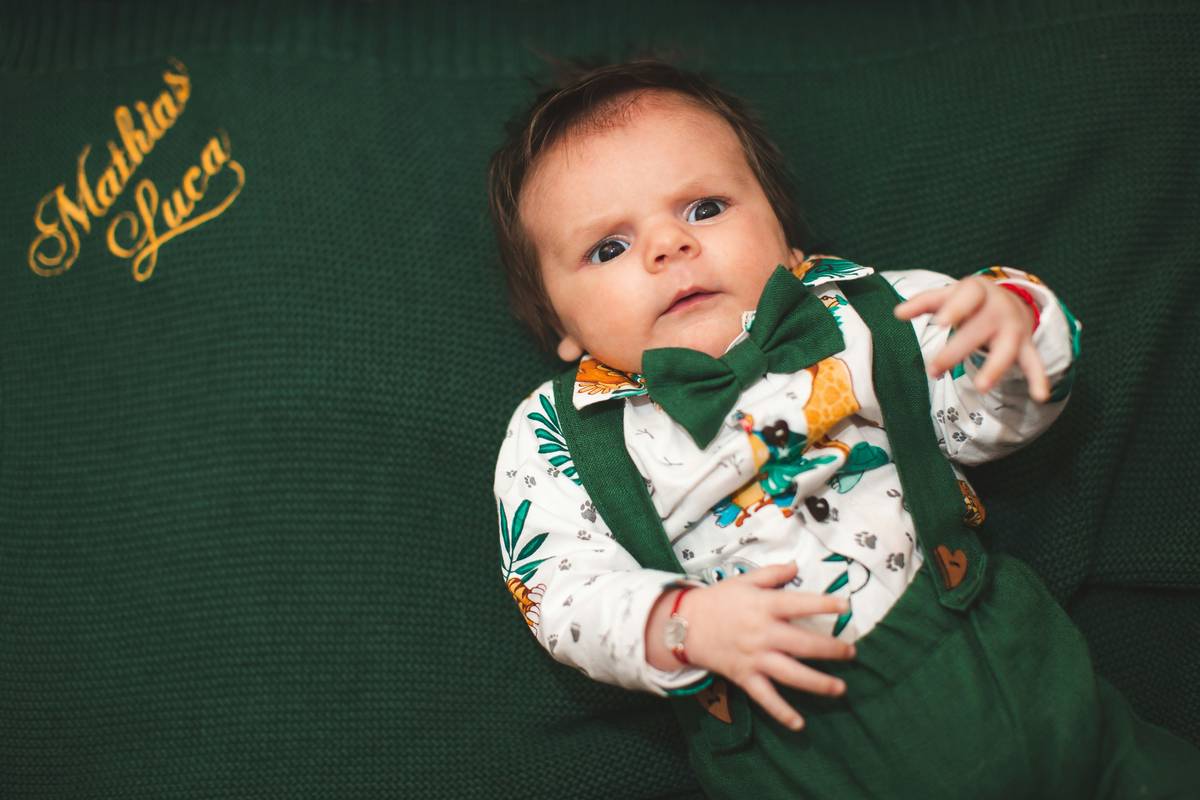
I learned this the hard way when my daughter broke out in a rash after wearing a “premium” department-store onesie. Dermatologist confirmed: textile contact dermatitis. Turns out, “hypoallergenic” is an unregulated marketing term. Cue weeks of oatmeal baths and a vow to never trust a tag again without certification proof.
Optimist You: “All we need is organic fabric!”
Grumpy You: “Ugh, fine—but only if the brand also pays fair wages and uses compostable mailers.”
How to Choose a Truly Green Baby Jumpsuit: Step by Step
Picking a legit green baby jumpsuit isn’t just about slapping “eco” on the label. Here’s your foolproof checklist—born from trial, error, and too many returns.
Step 1: Look for GOTS Certification (Not Just “Organic Cotton”)
The Global Organic Textile Standard (GOTS) is the gold standard. It mandates:
- ≥95% certified organic fibers
- No toxic dyes or heavy metals
- Wastewater treatment at manufacturing sites
- Fair labor practices
If it’s missing, walk away—even if it says “made with organic cotton.” (That could mean just 10%.)
Step 2: Check the Dye Type
GOTS-certified dyes are non-toxic, but some brands go further with plant-based dyes (e.g., avocado pits, madder root). These are gentler on skin and biodegradable. Bonus: they age beautifully, fading into earthy tones instead of neon ghosts.
Step 3: Assess Construction
A green baby jumpsuit should last through multiple kids. Look for:
- Flatlock seams (less chafing)
- Nickel-free snaps or coconut shell buttons
- Double-stitched hems
My “confessional fail”? Buying ultra-cheap organic onesies that unraveled after two washes. Not sustainable if you’re replacing them monthly.
Step 4: Trace the Supply Chain
Brands like Pact, Burt’s Bees Baby, and Tiny Sprout publish full factory lists and annual impact reports. If they won’t tell you where it’s made or by whom—red flag.
5 Non-Negotiable Best Practices for Buying Organic Cotton Onesies
Don’t fall for these common traps. Here’s how to shop smarter:
- Wash before first wear—even organic fabrics may have processing residues.
- Buy one size up—babies grow fast, and oversized fits extend garment life.
- Choose undyed or low-impact colors—white, oatmeal, and sage require fewer resources than bright reds or blues.
- Support circular brands—like Mon Coeur, which offers take-back recycling.
- Embrace secondhand—thrifted organic cotton = double eco-points.
Terrible Tip to Avoid: “Just buy bamboo—it’s natural!” Nope. Most “bamboo” baby clothes are actually rayon, processed with toxic solvents like carbon disulfide. Unless it’s mechanically processed (rare and pricey), skip it.
Real Parents, Real Results: Organic Onesie Case Studies
Case Study 1: The Rash That Vanished
Sarah K., Portland mom of twins, switched to GOTS-certified green baby jumpsuits after her boys developed recurrent eczema. Within three weeks of exclusive organic cotton wear (and detergent switch), flare-ups dropped by 80%. “Their skin finally calmed down,” she told us. “It wasn’t magic—it was chemistry.”
Case Study 2: The 3-Year Onesie
Mark T. in Austin bought six Burt’s Bees Baby organic cotton jumpsuits at birth. All survived daycare, two siblings, and countless spit-ups. “One still fits my youngest at 24 months. Cost per wear? Under $1.”
These aren’t anomalies. A 2022 study in Environmental Health Perspectives linked reduced dermal exposure to synthetic textiles with lower rates of infant atopic dermatitis—a win for both baby comfort and planetary health.
Green Baby Jumpsuit FAQs
Are green baby jumpsuits more expensive?
Initially, yes—typically $2–$5 more per piece. But durability offsets cost over time. Plus, consider health savings: fewer rashes = fewer doctor visits.
Can I machine-wash organic cotton onesies?
Absolutely! Wash in cold water with mild, eco-friendly detergent. Avoid fabric softeners—they coat fibers and reduce absorbency.
What’s the difference between GOTS and OEKO-TEX?
GOTS covers the entire supply chain (farming to finished product) and includes social criteria. OEKO-TEX only tests final products for harmful substances—no farming or labor standards.
Do green baby jumpsuits shrink?
All cotton shrinks slightly (3–5%). Reputable brands pre-shrink fabric, so check care labels. Always air-dry to preserve shape and fiber integrity.
Where can I donate used organic cotton onesies?
Try local diaper banks, Buy Nothing groups, or brands with take-back programs (e.g., Hanna Andersson’s recycling initiative).
Conclusion
A green baby jumpsuit isn’t a luxury—it’s a logical step toward safer skin, cleaner water, and a more ethical fashion future. By choosing GOTS-certified organic cotton, you’re voting against pesticide-laden fields and exploitative labor. You’re also giving your baby the gentlest possible start.
Remember: sustainability isn’t about perfection. It’s about progress—one well-chosen onesie at a time. So next time you’re folding tiny sleepers, ask: “Is this really green?” If the answer’s yes, sleep easy knowing you’ve dressed love in ethics.
Like a Tamagotchi, your baby’s wardrobe needs daily care—but with less beep-beeping and more breathable cotton.