Ever held a “eco-friendly” baby jacket up to the light only to find it smelled like plastic and shed microfibers after one wash? Yeah. We’ve been there—me, my newborn wrapped in what I *thought* was organic bliss, and a tag that whispered “sustainable” while yelling polyester.
If you’re here, you’re not just shopping for softness or cuteness (though let’s be real—those duck prints are adorable). You’re trying to protect your baby’s delicate skin and the planet they’ll inherit. This post cuts through the fluff. You’ll learn exactly what makes a truly sustainable green baby jacket, how to spot greenwashing traps, why organic cotton matters far beyond onesies, and which certifications actually mean something.
By the end, you’ll shop with confidence—not confusion.
Table of Contents
- Why Do Green Baby Jackets Even Matter?
- How to Choose a Truly Sustainable Green Baby Jacket
- 5 Best Practices That Actually Reduce Environmental Impact
- Real Parent Case Study: From Fast Fashion Fails to Trusted Organic Brands
- Green Baby Jacket FAQs
< formulate>
Key Takeaways
- A genuine green baby jacket uses certified organic cotton, non-toxic dyes, and ethical labor—not just vague “eco” claims.
- Conventional cotton farming uses 6% of the world’s pesticides but occupies only 2.4% of farmland (PAN UK, 2023).
- Baby skin is 30% thinner than adult skin—making chemical exposure riskier (American Academy of Pediatrics).
- Always look for GOTS or OCS certification; “organic” on a label alone means nothing in most countries.
- Durability + reuse = true sustainability. A well-made jacket worn by three babies beats five “disposable” eco-washed ones.
Why Do Green Baby Jackets Even Matter?
Let’s get brutally honest: Most “baby clothes” sold today are fast fashion in miniature. Polyester fleece jackets? Made from fossil fuels. Brightly dyed cotton hoodies? Soaked in azo dyes linked to skin sensitization (EPA, 2022). And that $9 “organic” pullover from a major retailer? Often contains less than 30% actual organic fibers—because legally, in many markets, that’s enough to slap “organic” on the tag.
But babies aren’t tiny adults. Their skin absorbs chemicals more readily. Their lungs are still developing. And their immune systems? Delicate as spun sugar. According to the American Academy of Pediatrics, infants are uniquely vulnerable to environmental toxins—especially during the first 1,000 days of life.
Meanwhile, conventional cotton—one of the most common baby clothing materials—is shockingly dirty. The Pesticide Action Network UK reports that cotton farming accounts for 16% of global insecticide use despite using just 2.4% of cultivated land. These chemicals don’t vanish after harvest. Residues linger in fabric—and on your baby’s skin.
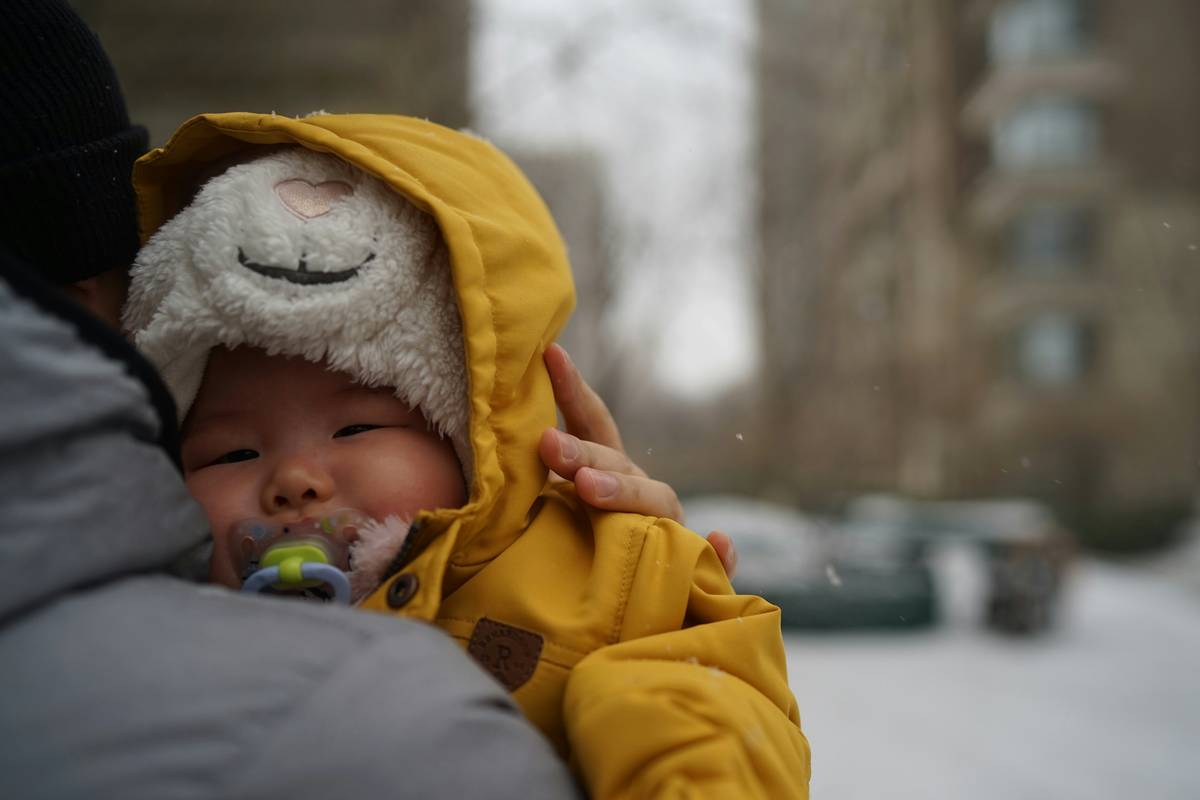
So yes—a green baby jacket isn’t a luxury. It’s a baseline for health and planetary responsibility.
How to Choose a Truly Sustainable Green Baby Jacket
What certifications actually matter?
Optimist You: “Look for GOTS—it’s the gold standard!”
Grumpy You: “Ugh, fine—but only if I don’t have to decipher another fake ‘Earth Friendly’ seal.”
You’re right to be skeptical. Here’s the cheat sheet:
- GOTS (Global Organic Textile Standard): Requires ≥70% organic fibers, bans toxic dyes and finishes, enforces fair labor. This is the one to trust.
- OCS (Organic Content Standard): Verifies organic fiber % but doesn’t regulate processing or labor. Better than nothing—but not enough alone.
- Avoid: “Made with organic cotton,” “eco-conscious,” or unverified “natural” claims. These are marketing—not standards.
What materials should you prioritize?
While this post centers on green baby jacket options, remember: organic cotton isn’t just for onesies. For outerwear, look for:
- 100% GOTS-certified organic cotton shells (breathable, biodegradable)
- Recycled polyester fill (if insulation is needed—but only if paired with organic shell)
- Natural dyes (plant-based indigo, madder root) or low-impact synthetic dyes (OEKO-TEX® certified)
Who made it—and under what conditions?
Sustainability isn’t just environmental—it’s human. Brands like Patagonia Baby and Monkey Mitten publish full factory lists and wage data. If a brand won’t tell you where or how their jackets are made, walk away.
5 Best Practices That Actually Reduce Environmental Impact
- Buy fewer, better pieces. One high-quality green baby jacket that lasts 2+ years > five cheap ones that pill after three washes.
- Size up intentionally. Babies grow fast—but brands like Frugi offer generous cuts so garments last longer.
- Wash cold, line dry. 80% of a garment’s carbon footprint comes from laundering (Levi’s Lifecycle Assessment). Skip the dryer.
- Repair & pass on. Got a small tear? Mend it. When outgrown, donate to a diaper bank or swap group—not landfill.
- Avoid “bamboo” unless certified. Most “bamboo” fabric is rayon—chemically processed and not biodegradable. Look for OEKO-TEX® or FSC certification if choosing bamboo blends.
Real Parent Case Study: From Fast Fashion Fails to Trusted Organic Brands
“I bought a $12 ‘organic’ baby jacket from a big-box store,” says Maya R., mom of two from Portland. “Within two weeks, my son developed a rash around his neck. Turns out, the lining was 100% polyester with formaldehyde-based wrinkle resistance. After that, I switched to GOTS-certified brands like Pact and Primary.”
Maya now tracks her baby’s wardrobe carbon footprint using the Good On You app. Her current favorite green baby jacket? Primary’s Organic Cotton Sherpa Pullover—GOTS-certified, OEKO-TEX® dyed, and machine-washable without fading.
Result? No more rashes. And she estimates her family’s baby clothing waste dropped by 70% in one year through mindful buying and swapping with neighbors.
Green Baby Jacket FAQs
Is a green baby jacket worth the higher price?
Yes—if it’s certified and durable. A $45 GOTS jacket worn for 18 months costs less per wear than three $15 fast-fashion jackets that fall apart. Plus, you avoid hidden health costs.
Can I find affordable green baby jackets?
Absolutely. Brands like Pact and Hanna Andersson regularly offer sales. Secondhand via ThredUp or local swaps is also eco-smart.
Are all organic cotton baby jackets biodegradable?
Only if 100% natural fibers and untreated. If blended with synthetics (even 5% spandex), it won’t fully decompose. Check labels carefully.
How do I care for my green baby jacket?
Wash inside-out in cold water with mild, plant-based detergent. Air dry. Avoid fabric softeners—they coat fibers and reduce breathability.
Conclusion
A green baby jacket isn’t about virtue signaling—it’s about reducing toxin exposure, conserving resources, and honoring the people who make our children’s clothes. By choosing GOTS-certified organic cotton, demanding transparency, and prioritizing longevity over trendiness, you’re dressing your baby in more than fabric. You’re wrapping them in responsibility.
Next time you shop, ask: “Who made this? What’s *really* in it? Will it last?” If the answers feel fuzzy, keep looking. Your baby—and the earth—deserve clarity.
Like a Tamagotchi, your baby’s wardrobe needs daily care… but unlike that pixelated pet, this one won’t die if you forget to feed it virtual pellets. (Though please, do wash it gently.)