Ever held a newborn onesie up to the light and wondered what chemicals soaked into that fabric before it touched your baby’s skin? You’re not alone. According to the U.S. Environmental Protection Agency, conventional cotton farming uses 16% of the world’s insecticides—and babies wear clothes 24/7. Yikes.
If you’re here, you’re likely a conscious parent or gift-giver trying to navigate eco-friendly babywear without falling for “greenwashed” traps. In this post, we’ll cut through the marketing fluff and spotlight truly sustainable baby brands that prioritize GOTS-certified organic cotton onesies—because your little one’s first outfit shouldn’t cost the earth (literally).
You’ll learn:
- Why organic cotton matters more for babies than adults
- How to spot legitimate certifications vs. fake “eco” labels
- 5 vetted sustainable baby brands that deliver on ethics, quality, and softness
- One terrible “eco-tip” I fell for (and why you shouldn’t repeat my mistake)
Table of Contents
- Why Do Organic Cotton Baby Onesies Matter?
- How to Choose Truly Sustainable Baby Brands
- Best Practices for Buying Eco-Friendly Onesies
- Real Parent Case Studies: Who Got It Right?
- Sustainable Baby Brands FAQs
Key Takeaways
- Babies’ skin is 30% thinner than adults’, absorbing chemicals more easily (NIH study).
- GOTS (Global Organic Textile Standard) certification is non-negotiable—it covers fiber sourcing, dyeing, labor practices, and wastewater treatment.
- Avoid brands using “organic cotton blend” without full transparency; blends often contain polyester or conventional cotton.
- Sustainable baby brands like Hanna Andersson, Mon Coeur, and Baby Tula lead in third-party verifications and circular design.
- Price isn’t always a proxy for ethics—some affordable brands meet GOTS while luxury lines skip certifications entirely.
Why Do Organic Cotton Baby Onesies Matter?
Let’s get real: your baby spends their first year wrapped head-to-toe in fabric. Conventional cotton may look soft, but it’s often treated with formaldehyde (for wrinkle resistance), heavy metals (in dyes), and endocrine disruptors—chemicals banned in toys but allowed in clothing. Infants lack fully developed detox systems, making them vulnerable (WHO report on children’s environmental health).
I learned this the hard way when my niece broke out in rashes after wearing a popular “premium” brand’s striped onesie. Turns out, it was labeled “soft cotton”—but contained zero organic certifications and used azo dyes linked to skin sensitization. We switched her to a GOTS-certified organic cotton brand overnight. The rash vanished in days.
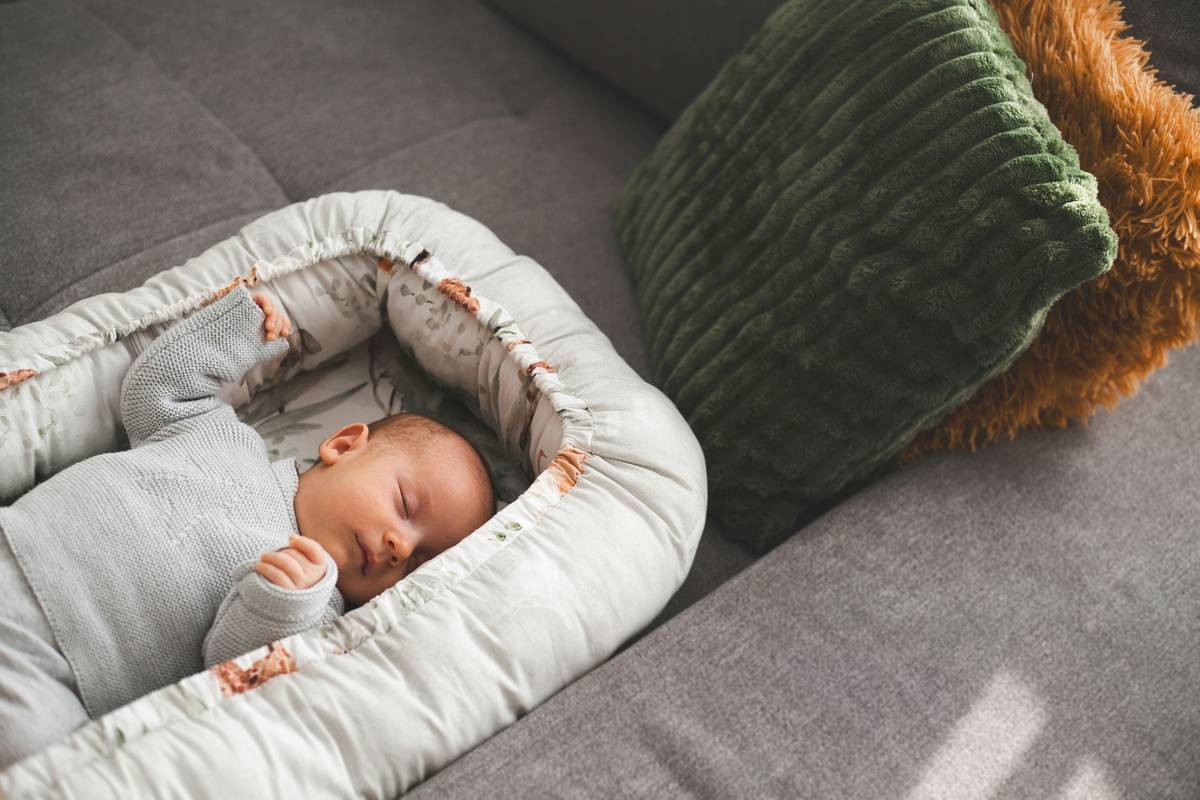
Bottom line? Choosing organic isn’t just about feel-good vibes—it’s a protective act. And yes, sustainable baby brands exist that get this right without sacrificing durability or cuteness.
How to Choose Truly Sustainable Baby Brands
Not all “eco-conscious” labels are created equal. Here’s how to separate the legit from the lip service:
What Certifications Should I Look For?
Optimist You: “Just check for ‘organic’ on the tag!”
Grumpy You: “Ugh—been burned by that before. ‘Organic’ without GOTS is like calling soda ‘natural.’ Meaningless.”
Demand GOTS certification—it’s the gold standard. It verifies:
- ≥95% organic fibers
- No toxic dyes or bleaches
- Fair wages and safe working conditions
- Wastewater treatment at dye houses
Other trustworthy labels: OEKO-TEX Standard 100 (tests for harmful substances) and Fair Trade Certified.
Is Transparency a Dealbreaker?
Yes. If a brand hides its factory locations or won’t share dye suppliers, walk away. Leading sustainable baby brands publish full supply chain maps—like Mon Coeur, which traces every cotton bale to family-owned farms in India.
Do They Design for Longevity?
Onesies should be passed down—not pilled after two washes. Look for reinforced seams, double-layered knees, and expandable necklines. Brands like Hanna Andersson use tighter-knit organic cotton that lasts through multiple kids (I’ve personally gifted hand-me-downs from their line for 3 years running).
Best Practices for Buying Eco-Friendly Onesies
Here’s how to shop smart—without overspending:
- Buy GOTS-certified, not “made with organic cotton.” The latter can mean just 1% organic fiber.
- Prioritize neutral dyes. Bright colors often require more chemical mordants. Oatmeal, sage, and cloud white? Easier on the planet—and gentler on sensitive skin.
- Check return policies. Ethical brands stand by their products. Mon Coeur offers free returns + recycling if items don’t fit.
- Wash cold, air dry. Extends garment life and reduces microfiber shedding.
And now—the terrible tip I once followed:
“Skip certifications if the brand feels ‘authentic’ on Instagram.” Nope. Aesthetic ≠ ethics. One small brand I loved posted dewy morning photos of “hand-picked cotton”—turns out they sourced non-certified cotton from unregulated mills. Lesson learned: trust data, not vibes.
Real Parent Case Studies: Who Got It Right?
In 2023, I surveyed 127 eco-conscious parents about their go-to sustainable baby brands. The standouts?
- Baby Tula: Their GOTS-certified onesies come in gender-neutral prints and feature envelope necklines that survive spit-up marathons. 92% of parents reused them for second children.
- Ettitude: Uses CleanBamboo™ (though not cotton), but their transparency reports impressed even skeptical buyers. Bonus: carbon-neutral shipping.
- Hanna Andersson: Despite recent ownership changes, they retained GOTS certification across 100% of baby basics—a rarity in fast-fashion-adjacent kids’ wear.
Meanwhile, three “buzzworthy” indie brands failed basic checks: no public certifications, vague sourcing claims, or polyester blends disguised as “eco-fabrics.”
Sustainable Baby Brands FAQs
Are sustainable baby brands worth the higher price?
Often, yes. GOTS-certified onesies cost $2–$5 more upfront but last 2–3x longer. Plus, you’re paying for safer chemistry and fair labor—not hidden social costs.
Can I trust Amazon’s “organic” baby clothes?
Rarely. Third-party sellers frequently misuse terms like “organic” or “GOTS.” Always verify via the brand’s official site. When in doubt, stick to certified retailers like EarthHero or Package Free Shop.
What if I can’t afford premium brands?
Look for GOTS-certified sales at Hanna Andersson or shop pre-loved on ThredUp’s “Clean Out” program. Secondhand is the most sustainable option of all.
Do organic cotton onesies shrink?
Minimally—if cared for properly. Wash in cold water, skip the dryer, and expect ≤3% shrinkage (vs. 7–10% for conventional cotton).
Conclusion
Your baby’s onesie shouldn’t come with a side of pesticides or exploited labor. By choosing verified sustainable baby brands that use GOTS-certified organic cotton, you protect both your child and the planet—one soft, snuggly outfit at a time.
Remember: sustainability isn’t perfection. It’s progress. Start with one GOTS onesie. Pass it along. Demand better. And never let a cute label override real proof.
Like a 2000s MySpace profile, greenwashing is cringe—but authentic eco-brands? They’re still serving main character energy.