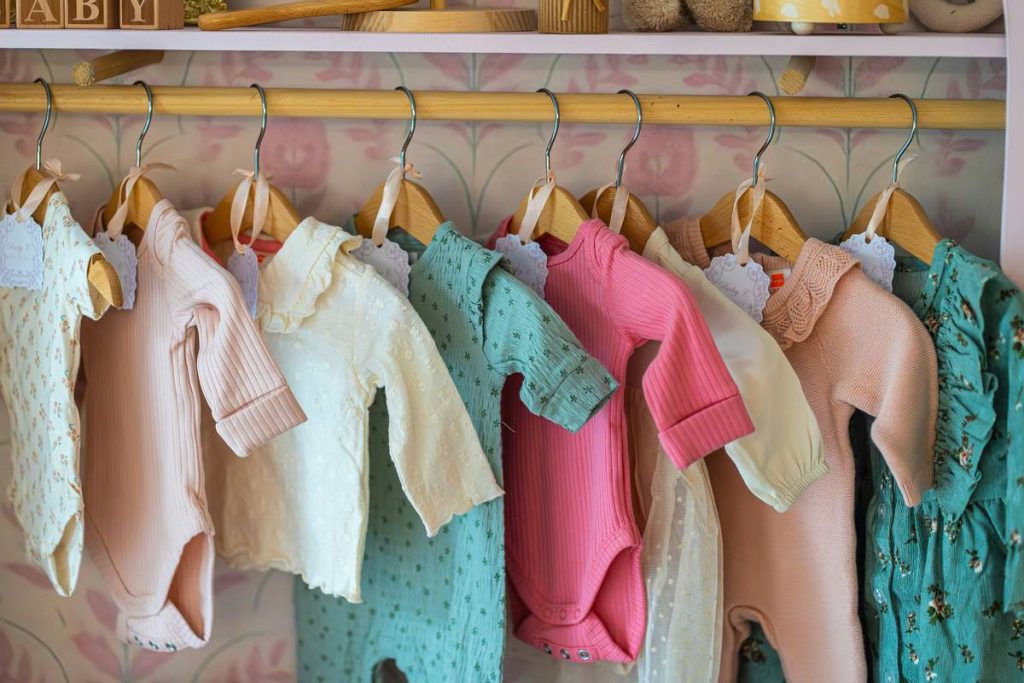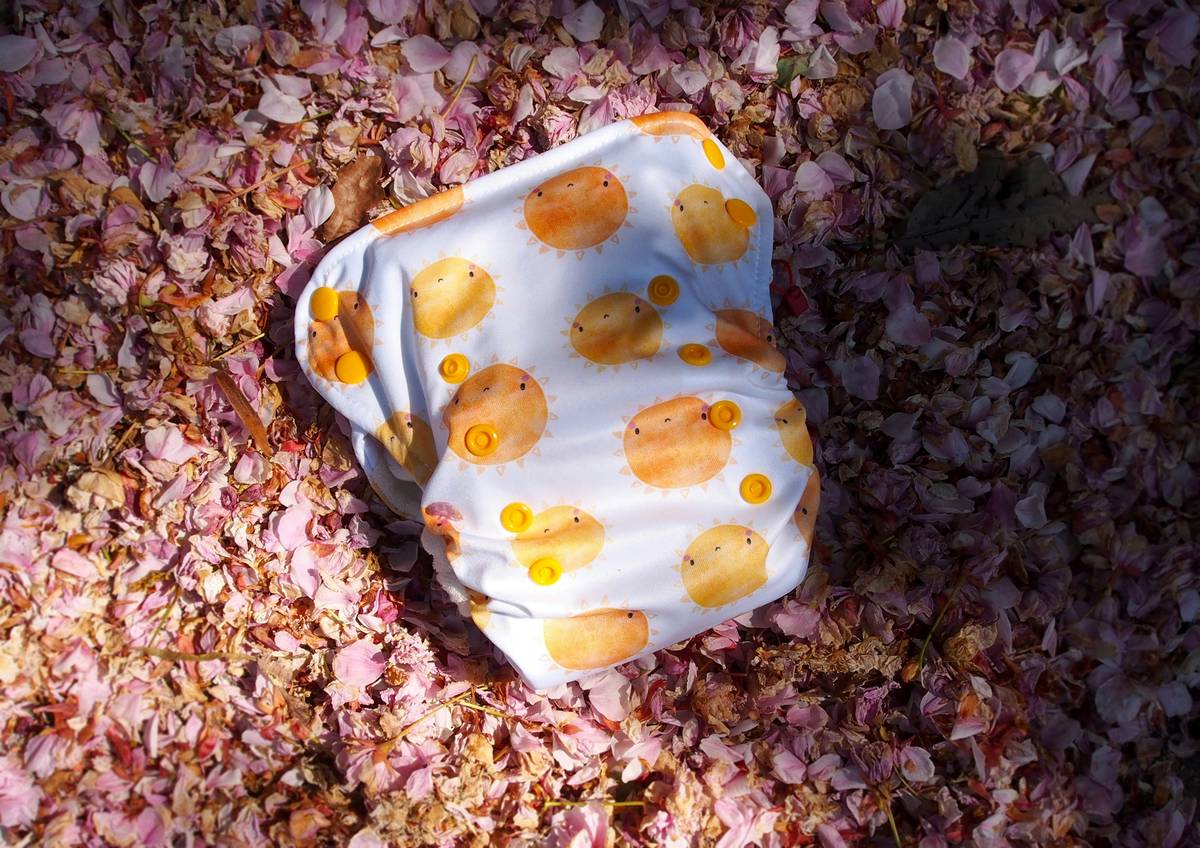
Disposable diapers clog landfills for 500+ years—and your baby’s skin pays the price. Conventional brands hide petrochemicals, fragrances, and synthetic gels behind “soft” marketing claims. But what if you could protect both your child and the planet—starting from day one? Enter organic baby diapers: breathable, toxin-free, and designed for real life.
The Dirty Truth About “Eco-Friendly” Diapers
Most “green” diaper brands are greenwashed theater. They swap plastic for cornstarch—but still lock in superabsorbent polymers (SAP) that swell like marshmallows when wet. These gels trap ammonia against delicate skin, causing rashes no barrier cream can fix. And let’s talk scale: a baby uses ~6,000 diapers before potty training. Even biodegradable versions rarely decompose in oxygen-starved landfills. The system is broken—not your parenting.
Your Step-by-Step Switch to Truly Sustainable Diapering
Going organic isn’t just about materials—it’s about rethinking convenience. Here’s how to do it without losing your sanity:
Assess Your Real Needs (Not Pinterest Fantasies)
If you’re working full-time or surviving twins, cloth might not be realistic. That’s okay. Focus on certified organic disposables with GOTS or USDA BioPreferred seals. Avoid brands using “plant-based” as a loophole—they often blend <5% organic fiber with plastic backings.
Decode Labels Like a Pro
“Hypoallergenic”? Meaningless without third-party verification. Look for OEKO-TEX Standard 100 or FSC-certified pulp. And skip anything labeled “fragrance”—even natural scents can trigger eczema.
Hybrid Systems Save Time & Landfill Space
Use cloth at home, organic disposables on-the-go. One parent I advised cut landfill waste by 70% this way—without midnight laundry marathons.
| Diaper Type | Upfront Cost per Diaper | Absorbency Rating | Biodegradability | Skin Safety Score (1-10) |
|---|---|---|---|---|
| Conventional Disposable | $0.25 | 9/10 | 0% | 4 |
| “Eco” Disposable (non-organic) | $0.35 | 8/10 | ~15% (industrial compost only) | 6 |
| Organic Baby Diapers | $0.45 | 7.5/10 | 60-80% (home compost compatible) | 9 |
| Cloth (with organic inserts) | $0.08 (after initial investment) | 6/10 | 100% | 8 |
The Industry Secret Big Brands Don’t Want You to Know
Here’s the reality: most organic diaper companies source cotton from India or Turkey—where “organic” certification is inconsistently enforced. But one overlooked factor? Water footprint. Conventional cotton guzzles 2,700 liters per t-shirt equivalent; organic cuts that by 91%. Yet few brands publish water usage data. Ask for it. If they dodge, walk away. True sustainability isn’t just chemical-free—it’s water-wise. And yes, some premium organic baby diapers now use rain-fed cotton from Portuguese cooperatives (like those near Torres Vedras)—slashing transport emissions too.

Frequently Asked Questions
Are organic baby diapers really better for sensitive skin?
Yes—if certified. They eliminate chlorine, dyes, and SAP gels linked to contact dermatitis. Patch-test first.
Do organic baby diapers leak more than regular ones?
Marginally, but modern designs compensate with layered organic bamboo cores. Change every 2-3 hours regardless.
Can I compost organic baby diapers at home?
Only if labeled “home-compostable.” Most require industrial facilities. Never compost diapers with fecal matter.